
12 Calmest Dog Breeds That Make Perfect Low-Energy Pets
Looking for the calmest dog breeds to match your relaxed lifestyle? You're in the right place! The answer is: Yes, certain breeds are naturally more laid-back than others. We've all seen those hyper dogs that seem to have endless energy - but that's not what you want, right? You need a furry friend who understands your need for peace and quiet.As someone who's worked with dogs for years, I can tell you that breeds like Basset Hounds and Great Danes often have that perfect chill factor. But here's the thing - even the calmest breeds need proper training and socialization. That's why we're breaking down exactly what makes these 12 breeds so special, and how you can help your pup stay relaxed in any situation.Whether you live in a small apartment or just prefer a more low-key companion, this guide will help you find your perfect match. Because let's be honest - sometimes you just want to come home to a dog who's as excited about Netflix marathons as you are!
E.g. :Why Do Dogs Kick After Pooping? 7 Fascinating Reasons Explained
- 1、Meet Your Perfect Zen Companion
- 2、The Ultimate Chill Squad
- 3、Surprisingly Chill Breeds
- 4、Creating Your Peaceful Pup Paradise
- 5、Special Considerations
- 6、Your Calm Companion Awaits
- 7、The Science Behind Calm Canines
- 8、Beyond the Usual Suspects
- 9、Creating the Perfect Zen Environment
- 10、Nutrition for Calmness
- 11、When Calm Isn't Normal
- 12、Zen Activities for You and Your Pup
- 13、FAQs
Meet Your Perfect Zen Companion
You know that feeling when you just want to chill with a furry friend who matches your energy? Some dogs naturally bring that peaceful vibe to your home. But remember - just like you have your unique personality, every pup does too! The secret sauce? Proper socialization and positive reinforcement training.
Why Calm Dogs Make Great Pets
Ever come home after a long day and just want to relax? Calm dog breeds get that. They're like living stress balls (but way cuter). These mellow pups:
- Adapt easily to your routine
- Don't demand constant attention
- Help create a peaceful home environment
But here's the fun part - "calm" doesn't always mean "lazy." Some of these breeds have surprising bursts of energy when playtime calls!
The Ultimate Chill Squad
Basset Hound: The Sniffing Zen Master
Picture this: a dog with ears so long they could trip over them. That's your Basset Hound! These low-energy buddies are basically four-legged detectives - their noses work overtime while their bodies stay relaxed.
Fun fact: Their bark sounds like they're singing opera. Not ideal if you're in an apartment, but perfect if you want a built-in alarm system that naps 18 hours a day.
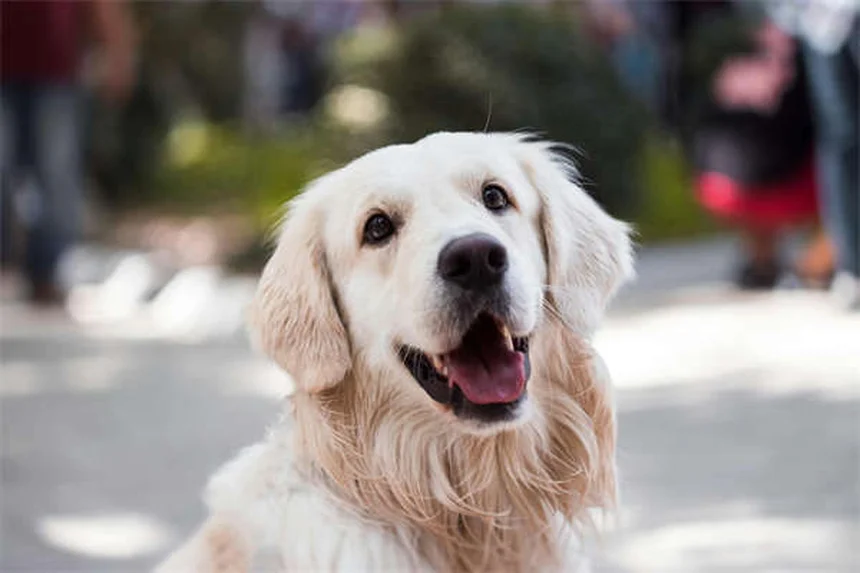 Photos provided by pixabay
Bichon Frise: The Fluffy Cloud of Happiness
Imagine a cotton ball that wags its tail. That's your Bichon! After their daily walk (and maybe some brain games), they're perfectly content to be your living room decor.
Pro tip: Their social butterfly nature means they'll make friends with your pizza delivery guy faster than you can say "extra cheese."
Great Dane: The Gentle Giant
Did you know the tallest dog ever recorded was a Great Dane? These massive sweethearts think they're lap dogs - all 150 pounds of them!
| Breed | Energy Level | Best For |
|---|---|---|
| Basset Hound | Low | Relaxed homes |
| Bichon Frise | Medium | Apartment living |
| Great Dane | Medium | Spacious homes |
Surprisingly Chill Breeds
Greyhound: The 45-mph Couch Potato
Wait, racing dogs are calm? You bet! Greyhounds are basically Olympic athletes who retire at age 2 and spend the rest of their lives napping. They're the original "work hard, nap harder" crew.
Their idea of exercise? A 30-second sprint followed by 23 hours of beauty sleep. Perfect if you love dogs but hate early morning walks!
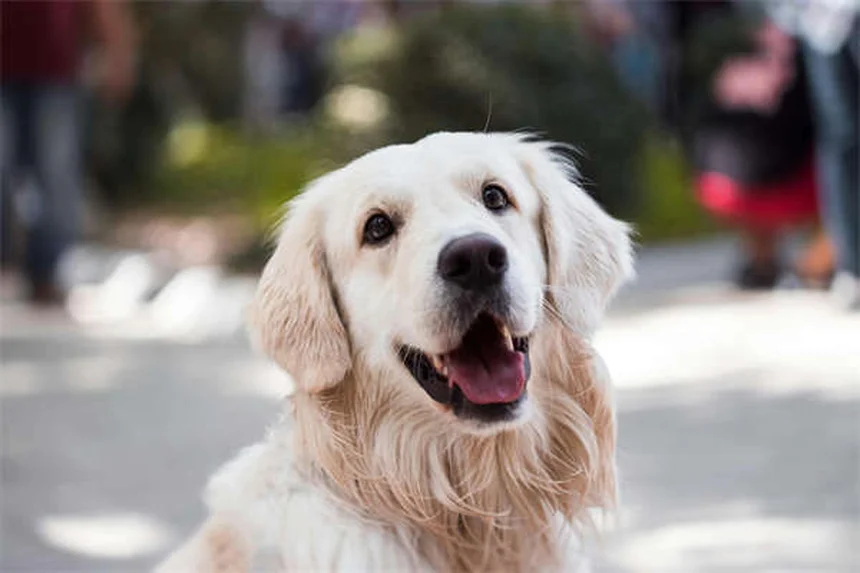 Photos provided by pixabay
Bichon Frise: The Fluffy Cloud of Happiness
Remember that movie where the giant dog saves people in the snow? That's not Hollywood magic - these pups really are that calm under pressure. They're basically walking teddy bears with first aid training.
Ever wonder how such big dogs stay so mellow? It's all about confidence. When you're 180 pounds of fluffy love, you don't need to prove anything!
Creating Your Peaceful Pup Paradise
Training Tips for Maximum Chill
Want to know the secret to a calm dog? It's not magic - it's consistency. Here's what works:
- Positive reinforcement: Treats work better than yelling (just like with humans!)
- Short, fun training sessions: 5 minutes of "sit" practice beats an hour of frustration
- Plenty of sniff walks: Letting your dog explore keeps their mind calm
The Perfect Daily Routine
Think your dog would love a predictable schedule? You're right! Here's a sample day for maximum zen:
- Morning potty break (with lots of praise)
- Breakfast puzzle toy (mental exercise = calm behavior)
- Midday sniffari (walk where they lead)
- Afternoon chew time (natural stress reliever)
- Evening cuddle session (bonding = happy dog)
Special Considerations
 Photos provided by pixabay
Bichon Frise: The Fluffy Cloud of Happiness
Living in a small space? No problem! These breeds prove good things come in small (and quiet) packages:
- Tibetan Spaniel: The original "alert but not anxious" breed
- Pekingese: Royalty-approved lap warmers
- Whippet: Compact couch companions
Remember: Even calm dogs need their exercise. A tired dog is a good dog - it's just that some tire out faster than others!
Kids and Calm Dogs: The Perfect Match?
Not all chill breeds are kid-friendly. Some things to consider:
- Newfoundlands: The original nanny dogs
- Cavalier King Charles Spaniels: Gentle with tiny humans
- English Bulldogs: Patient with clumsy kiddos
But always supervise interactions - even the calmest dog has limits when it comes to tail-pulling toddlers!
Your Calm Companion Awaits
Ready to find your perfect zen partner? Whether you want a tiny lap warmer or a giant snuggle buddy, there's a calm breed waiting to match your energy. Remember - the chillest dogs often make the most devoted companions.
What's better than coming home to someone who's always happy to see you? Coming home to someone who's happy to see you... and then immediately goes back to napping!
The Science Behind Calm Canines
Nature vs. Nurture in Dog Temperament
Ever wonder why some dogs seem born chill while others are perpetual motion machines? Research shows about 60% of a dog's temperament comes from genetics, but that leaves a huge 40% we can influence!
Take two puppies from the same litter - one might inherit dad's relaxed personality while another gets mom's energetic genes. But here's the cool part: early socialization and positive experiences can help shape even the most excitable pups into calmer adults. Think of it like baking - genetics give you the basic ingredients, but training is the secret spice!
The Stress-Reducing Power of Pets
Did you know petting a calm dog for just 15 minutes can lower your blood pressure? Universities have studied this phenomenon for decades, and the results are paw-sitive!
Here's what happens in your body when you hang with a zen dog:Oxytocin levels rise (that's the "love hormone"), cortisol drops (goodbye stress!), and serotonin increases (hello happiness!). It's like getting a free therapy session every time you scratch behind those floppy ears.
Beyond the Usual Suspects
Unexpectedly Chill Working Breeds
Who says working dogs can't relax? Some breeds surprise everyone with their off-duty demeanor:
The Bernese Mountain Dog - these gentle giants might look like they belong on a Swiss postcard, but they're actually content to be your living room rug. After a good walk, of course!
Then there's the Clumber Spaniel - the original "work hard, nap harder" hunting dog. They'll retrieve birds all morning, then snore through your Netflix binge in the afternoon.
Senior Dogs: The Ultimate Zen Masters
Why do we always talk about puppies when discussing dog breeds? Older rescue dogs often come pre-trained in the art of chilling!
Consider these benefits of adopting a senior:- Known personality (what you see is what you get)- Lower energy needs (perfect for relaxed lifestyles)- Instant companionship without the puppy chaos
My neighbor adopted a 10-year-old Greyhound named "Sir Naps-a-Lot" - best decision he ever made!
Creating the Perfect Zen Environment
Calm-Inducing Home Modifications
Want to help your dog stay relaxed? Try these simple home tweaks:
Create a safe space with a cozy bed away from foot traffic. Dogs, like us, need their "me time" corners. I turned my walk-in closet into a puppy palace with memory foam and blackout curtains!
Use pheromone diffusers - these plug-ins release calming scents we can't smell but dogs love. It's like aromatherapy for your pup!
The Power of Routine
Ever notice how dogs watch the clock better than most employees? They thrive on predictability!
Here's a sample schedule that keeps my Labrador mix mellow:7 AM - Morning walk with sniff breaks8 AM - Breakfast in a puzzle feeder12 PM - Short training session (5 minutes max)5 PM - Evening decompression walk8 PM - Chew time while I watch TV
Consistency is key - dogs feel secure knowing what comes next. It's like their version of reading the daily newspaper!
Nutrition for Calmness
Foods That Promote Relaxation
Did you know your dog's diet affects their energy levels? Some ingredients naturally support calm behavior:
| Ingredient | Benefit | Found In |
|---|---|---|
| L-tryptophan | Precursor to serotonin | Turkey, chicken |
| Omega-3s | Reduces inflammation | Fish oil, flaxseed |
| Magnesium | Muscle relaxant | Pumpkin, spinach |
My vet recommended adding canned pumpkin to my dog's dinner - the magnesium works wonders for his fireworks anxiety!
Treats That Teach Patience
Why use boring old treats when you can make snack time a calming exercise?
Try frozen Kongs stuffed with peanut butter and kibble - the licking motion is naturally soothing. It's like doggy meditation!
Or make "find it" games with hidden treats around the house. Mental stimulation tires dogs out faster than physical exercise alone. My dog spends hours sniffing out treats I've hidden in towel folds!
When Calm Isn't Normal
Signs Your "Chill" Dog Might Be Sick
How can you tell if your dog is relaxed versus unwell? Watch for these subtle signs:
Sudden disinterest in food (even chicken!) or unusual lethargy lasting more than a day. My normally lazy Basset once refused bacon - that's when I knew something was wrong!
Other red flags include excessive sleeping in odd positions or reluctance to move. Remember - dogs hide pain well, so any behavior change warrants a vet visit.
The Anxiety-Calming Connection
Ever met a dog that seems too calm? Some anxious dogs actually shut down rather than act out.
Look for:- Whale eye (showing the whites of their eyes)- Lip licking when not eating- Tense body despite stillness
These pups need professional help, not just more treats. A certified behaviorist changed my friend's fearful Greyhound into a confident couch potato!
Zen Activities for You and Your Pup
Meditation With Your Dog
Who says meditation is just for humans? Try this bonding exercise:
Sit comfortably with your dog nearby. Breathe deeply and slowly - most dogs will sync to your rhythm. Stroke their fur in long, gentle motions. Even 5 minutes of this can reset you both after a stressful day!
My yoga teacher calls this "doga" - though my Bulldog mostly just farts during the quiet parts!
Massage Techniques Anyone Can Learn
Want to give your dog a spa experience? Try these simple moves:
Ear rubs - gently massage the base of the ears in circular motions. Most dogs melt instantly!
Back strokes - use flat palms to make long strokes from neck to tail. Apply light pressure - you're relaxing muscles, not giving a deep tissue massage!
Pro tip: Watch for the "lick and chew" response - that's your dog's way of saying "ahhhh!"
E.g. :What breeds are the most calm, non-needy and non-hyper? : r/dogs
FAQs
Q: Are calm dog breeds good for first-time owners?
A: Absolutely! Many of the calmest dog breeds like Cavalier King Charles Spaniels and Bichon Frises are perfect for first-time owners. These breeds tend to be more patient, easier to train, and less demanding than high-energy dogs. As someone who's helped countless new pet parents, I always recommend starting with a mellower breed - it makes the learning curve much smoother. Just remember, even calm dogs need consistent training and socialization to stay well-behaved.
Q: Do calm dog breeds still need exercise?
A: Yes, but here's the good news - their exercise needs are much more manageable! While a Border Collie might need hours of intense activity, most calm breeds are happy with a couple of short walks and some playtime. For example, a Basset Hound might be perfectly content with a 20-minute sniff walk (where they get to stop and smell everything) followed by a long nap. The key is finding activities that match your dog's energy level while keeping them mentally stimulated.
Q: Can calm dog breeds live in apartments?
A: Many calm breeds actually thrive in apartments! Smaller breeds like Tibetan Spaniels and Pekingese are naturally quiet and don't need much space. Even larger calm breeds like Greyhounds can do well in apartments because they're basically professional nappers. The secret is choosing a breed whose energy level matches your living situation. I've seen too many people get high-energy dogs in small spaces - it rarely ends well for either party!
Q: Are calm dogs good with children?
A: Some calm breeds are excellent with kids, but you need to choose carefully. Breeds like Newfoundlands and Saint Bernards have legendary patience with children, while others might be too delicate. From my experience, it's not just about the breed's temperament - it's about matching the dog's personality with your family's energy. Always supervise interactions, and teach kids how to properly interact with dogs, regardless of how calm the breed typically is.
Q: How can I keep my calm dog relaxed in stressful situations?
A: Great question! Even the calmest dogs can get anxious sometimes. Here's what I've found works best: start socialization early, use positive reinforcement training, and create a safe space at home where your dog can retreat when overwhelmed. For example, many of my clients have success with crate training or using calming pheromone diffusers. Remember - a calm dog starts with a calm owner, so try to keep your own energy relaxed too!