
Why Do Dogs Kick After Pooping? 7 Fascinating Reasons Explained
Why do dogs kick after pooping? The answer is simple: it's their natural way of communicating! Your pup isn't just being dramatic - those post-potty kicks serve important purposes in the dog world. From marking territory to sending social signals, this quirky behavior (called ground-scratching) is actually packed with meaning. I've watched my own dog do this for years, and after researching the science behind it, I can tell you it's way more fascinating than just kicking up dirt. Let's dig into why your furry friend turns into a tiny soccer player after doing their business!
E.g. :Propranolol for Dogs: Uses, Dosage & Side Effects Guide
- 1、Why Do Dogs Kick After Pooping? The Fascinating Science Behind This Quirky Behavior
- 2、Is This Normal Dog Behavior?
- 3、Which Dogs Kick More?
- 4、The Real Reasons Behind the Kicking
- 5、Should You Stop Your Dog From Kicking?
- 6、Final Thoughts From a Dog Lover
- 7、The Hidden Language of Dog Kicks
- 8、The Social Dynamics of Poop Kicking
- 9、Training Considerations
- 10、Fun Facts to Impress Your Friends
- 11、Understanding Your Dog Better
- 12、FAQs
Why Do Dogs Kick After Pooping? The Fascinating Science Behind This Quirky Behavior
Ever seen your dog kick up grass like they're auditioning for Dancing With the Stars after doing their business? You're not alone! This hilarious yet puzzling behavior has confused dog owners for generations. Let's dig into the dirt (pun intended) to understand what's really going on.
The Great Grass-Kicking Mystery
Picture this: Your dog finishes their potty break, then suddenly transforms into a tiny soccer player, kicking dirt and grass everywhere. Some dogs give a few gentle kicks while others go full-on World Cup mode. My neighbor's Golden Retriever once kicked so hard he sent a clod of dirt flying into someone's picnic!
But here's the million-dollar question: Why do they do this? Is your pup just being dramatic, or is there actual science behind this messy habit?
Is This Normal Dog Behavior?
More Common Than You Think
Absolutely! This behavior, called ground-scratching, is completely normal. Wolves and coyotes do it too. Scientists believe it's like your dog's version of posting on social media - they're leaving messages for other dogs.
Think of it as a multi-sensory billboard:
- Visual: Those dramatic kicks leave visible marks
- Scent: They're spreading their unique smell from special glands in their paws
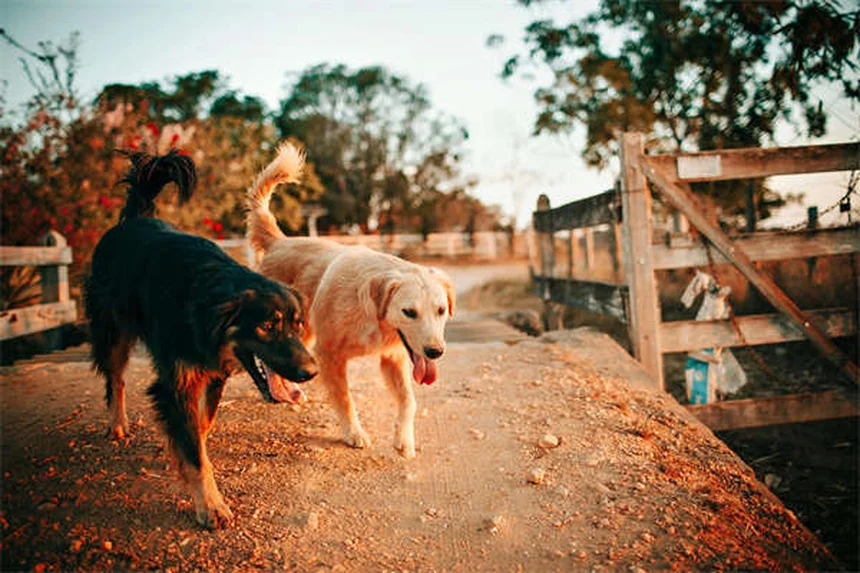 Photos provided by pixabay
Nature's Communication System
Here's a cool fact: While pee smells fade quickly, those scratch marks last much longer. It's like your dog is saying, "I was here!" without having to constantly re-mark the spot.
Studies show dogs do this more when other dogs are watching. It's their way of saying, "Hey, check me out!" or maybe "This is my turf!" depending on the situation.
Which Dogs Kick More?
| Dog Type | Kicking Likelihood | Interesting Fact |
|---|---|---|
| Male Dogs | 9% | Often do this after lifting their leg |
| Female Dogs | 9% | Just as likely as males to kick |
| Senior Dogs | Most Likely | Shelter studies show they kick most |
| Puppies | Least Likely | Still learning doggy etiquette |
Age Matters More Than Gender
Surprisingly, both male and female dogs kick equally (about 9% of each). But older dogs in shelters were most likely to show this behavior. Maybe they've got more to say after all those years of experience!
Ever noticed your dog sometimes kicks after just sniffing? That's normal too. They might be responding to another dog's message in the area.
The Real Reasons Behind the Kicking
Claiming Their Territory
Dogs are basically furry little landlords. They kick most often in places they consider their property - your yard, near your home, or their favorite park spots.
Urban dogs might kick near your apartment building or on their regular walking route. It's their way of saying, "I live here!" to the neighborhood pups.
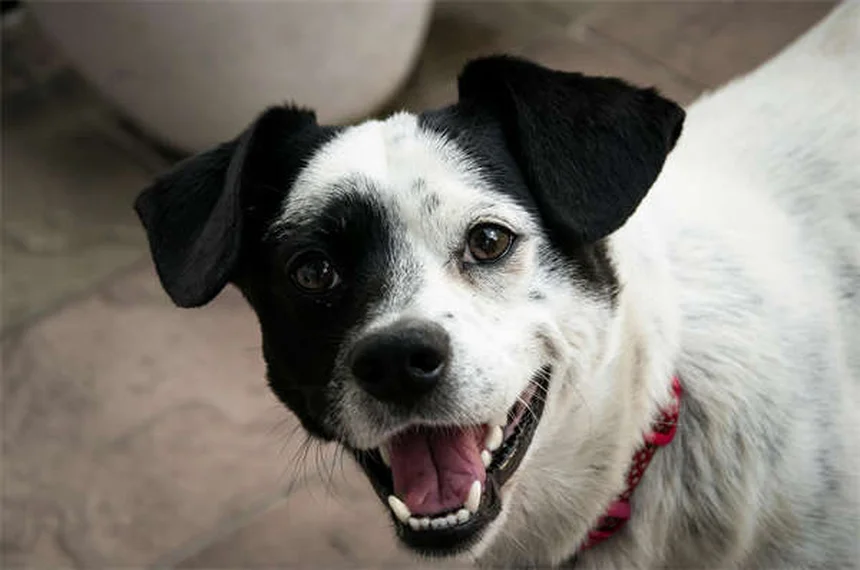 Photos provided by pixabay
Nature's Communication System
For street dogs, kicking often happens when meeting unfamiliar dogs. Higher-ranking dogs do it more, and get this - other dogs actually avoid them afterward! It's like they're posting a "Do Not Disturb" sign in dog language.
One researcher called this an intimidation display. Those scratches in the ground are visual warnings. Though let's be honest - on concrete sidewalks, it probably just looks like your dog's practicing their dance moves!
Should You Stop Your Dog From Kicking?
Let Them Express Themselves
Unless your dog is:
- Destroying someone's perfect lawn
- Hurting their paws from kicking too hard
- Kicking dirt into people's faces (awkward!)
But if your dog's kicking is causing problems, try redirecting them to a designated potty area with loose dirt or sand where they can kick to their heart's content.
Fun Fact Break!
Did you know a study found that dogs who kick after pooping always kick after peeing too? It's like they've got a complete messaging system!
Final Thoughts From a Dog Lover
Next time your dog does their post-potty victory dance, remember - they're not being silly. They're participating in an ancient canine communication system that's way more complex than we realize!
Now when my neighbor complains about his lawn, I just smile and say, "That's not dirt - that's modern art by a talented canine!"
The Hidden Language of Dog Kicks
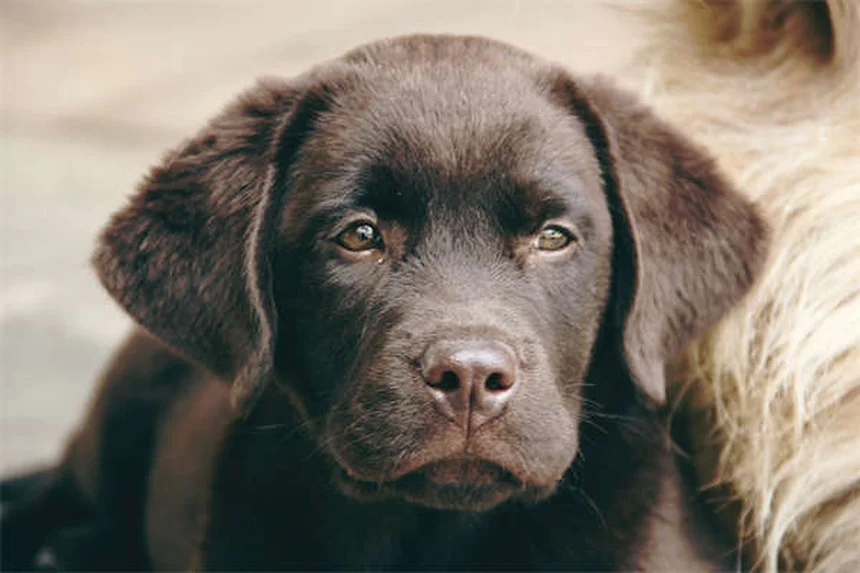 Photos provided by pixabay
Nature's Communication System
You know how we humans leave reviews on Yelp? Well, dogs have their own review system too! Those kicks after pooping aren't just about scent marking - they're leaving detailed feedback about the location. Researchers found that dogs kick more vigorously in areas they consider prime real estate.
Think about it like this: When your dog gives three strong kicks at the park but barely scratches the ground at the vet's office, they're basically saying, "Five stars for this grassy spot - would poop here again!" versus "One star for this stressful place - terrible service!"
The Paw Gland Connection
Here's something fascinating that most people don't know - dogs have special scent glands between their paw pads called interdigital glands. When they kick, they're not just spreading visual markers but also releasing unique chemical signatures.
Scientists believe these paw scents contain information about the dog's:
- Age and health status
- Reproductive availability
- Emotional state
The Social Dynamics of Poop Kicking
Pack Hierarchy on Display
Ever notice how some dogs kick more dramatically than others? That's not random - it's canine social media flexing! Dominant dogs tend to kick higher and more vigorously, while more submissive pups might just do a quick scrape.
I once watched two dogs at the dog park where the smaller one waited until the bigger dog left before doing his own tiny kick. It was like watching someone wait to post on Instagram until the popular kid finishes!
Does the Surface Matter?
You bet it does! Dogs adjust their kicking technique based on the surface. Here's a quick comparison:
| Surface Type | Kick Intensity | Effectiveness |
|---|---|---|
| Grass | Medium to High | Great for visual and scent marking |
| Dirt/Sand | Very High | Maximum visual impact |
| Concrete | Low | Mostly scent marking |
| Snow | Variable | Depends on snow depth |
Isn't it amazing how dogs instinctively know to modify their behavior like this? My friend's Dachshund once tried kicking on ice and just slid backward - proof that even nature's perfect systems have their limits!
Training Considerations
When Kicking Becomes a Problem
While this behavior is natural, sometimes it can go overboard. I've seen dogs kick so hard they've:
- Sent rocks flying into windows
- Covered their owners in dirt
- Damaged their own nails
But here's a question: Should we really stop this ancient canine communication method? Probably not completely - it's like asking humans not to wave hello. Instead, we can teach them appropriate places to express themselves.
Creating a Kicking Zone
Why not set up a special area where your dog can kick freely? Choose a corner of your yard with loose soil or sand. When they start their post-potty ritual, guide them to this spot with a cheerful "Go scratch!" command.
Positive reinforcement works wonders here. When my Labrador started using his designated kicking area, I'd reward him with extra playtime. Now he heads straight there after doing his business - it's become part of his bathroom routine!
Fun Facts to Impress Your Friends
The International Kicking Styles
Did you know dogs in different regions have slightly different kicking styles? After traveling with my dog, I noticed:
- European dogs often do shorter, quicker kicks
- American dogs tend toward dramatic backward scratches
- Asian street dogs frequently combine kicking with intense staring
One researcher suggested this might relate to the types of surfaces common in each area. Concrete-heavy cities might produce different kicking techniques than rural dirt paths. Who knew dog potty habits could be so culturally influenced?
The Poop-Kick Connection
Here's something that'll make you laugh - dogs often position their poop before kicking! They'll carefully place it in the perfect spot, then scratch around it. It's like they're framing their masterpiece before signing it with their paws.
I once timed my dog's entire bathroom routine - 37 seconds of careful positioning followed by 8 seconds of intense kicking. That's dedication to one's craft! Makes you wonder what they'd do if we gave them little artist smocks.
Understanding Your Dog Better
Next time you see your dog doing their post-poop happy feet, remember - you're witnessing thousands of years of canine evolution in action. Those kicks contain more information than we can fully understand yet.
And hey, if nothing else, it's free entertainment! As my grandma used to say when her terrier would kick, "Well, at least someone's enjoying their job around here!"
E.g. :Should I be letting him do the after poop kick? : r/Dogtraining
FAQs
Q: Is it normal for dogs to kick after they poop?
A: Absolutely normal! Ground-scratching (that's the technical term for this behavior) is completely natural for dogs. In fact, wolves and coyotes do it too! About 9% of all dogs - both male and female - exhibit this behavior regularly. My neighbor's Labrador does it with such enthusiasm that we joke he's trying to dig to China. Scientists believe it's a multi-purpose communication method that combines scent marking (from special glands in their paws) with visual signals (those dramatic scratch marks). So while it might seem odd to us, for dogs, it's just another way of saying "I was here!" to their canine pals.
Q: Do male dogs kick more than females after pooping?
A: Here's a surprise - both genders kick equally! Research shows about 9% of male dogs and 9% of female dogs engage in ground-scratching. But age plays a bigger role than gender. Shelter studies found that senior dogs are most likely to kick after eliminating, while puppies rarely do it. My theory? Older dogs have more "life experience" to communicate! The behavior seems most common when dogs encounter unfamiliar canines or want to mark important areas. So whether you have a boy or girl dog, don't be shocked if they start their post-poop dance routine!
Q: Should I stop my dog from kicking after pooping?
A: Only if it's causing problems! This natural behavior generally doesn't need intervention unless: 1) Your dog is damaging property (like someone's prized lawn), 2) They're hurting their paws from excessive kicking, or 3) They're flinging dirt at innocent bystanders (awkward!). I once had to apologize to a jogger when my dog "shared" some grass with her! If needed, redirect your pup to loose dirt or sand areas where they can kick freely. Otherwise, let them express themselves - it's an important part of their canine communication toolkit that dates back to their wild ancestors.
Q: Why does my dog sometimes kick after just sniffing?
A: Great observation! Dogs don't just kick after eliminating - they'll sometimes do it after intense sniff sessions too. Think of it like responding to a text message! When your dog sniffs another dog's markings, they might kick to add their own "reply" to the conversation. It's their way of participating in the neighborhood gossip network. My dog does this constantly at our local park - sniff, kick, repeat - like he's scrolling through canine social media. Scientists believe this helps spread their own scent while also leaving visual markers (those scratch marks) for other dogs to find later.
Q: Do all dog breeds kick after pooping?
A: While any breed can do it, some seem more enthusiastic than others! From what I've seen at dog parks, larger breeds with strong hind legs (like Labs, Shepherds, and Boxers) often kick with more... shall we say... dramatic flair. But small dogs can be just as determined - my friend's feisty Chihuahua kicks like she's training for the World Cup! The behavior isn't breed-specific though; it's more about individual personality and environment. Dogs in urban areas might kick less simply because concrete doesn't give the same satisfaction as soft dirt. But whether your pup is a gentle kicker or an all-out dirt-flinging maniac, they're all participating in the same ancient canine communication system!