
5 Amazing Facts About the Golden Akhal-Teke Horse Breed
What makes the Akhal-Teke horse so special? The answer is simple: this ancient Turkmenistan breed is literally one-of-a-kind with its metallic golden coat that shimmers in sunlight! We're talking about a horse so rare there are fewer than 7,000 worldwide, yet tough enough to survive desert conditions. These golden horses aren't just pretty faces - they're intelligent, loyal athletes with personalities as vibrant as their coats. Whether you're an experienced rider looking for your next competition partner or just fascinated by unique horse breeds, the Akhal-Teke will capture your heart. Let's dive into what makes this 3,000-year-old breed truly extraordinary - from their desert survival skills to why they bond so deeply with their humans.
E.g. :Dutch Tuigpaard: 5 Fascinating Facts About Holland's Carriage Horse
- 1、Meet the Golden Horse: The Akhal-Teke
- 2、Living With an Akhal-Teke
- 3、Health Matters for Akhal-Tekes
- 4、Feeding Your Golden Companion
- 5、Akhal-Teke Sports and Activities
- 6、Training Your Akhal-Teke
- 7、Grooming Your Golden Beauty
- 8、Akhal-Teke FAQs Answered
- 9、The Cultural Significance of Akhal-Tekes
- 10、Breeding Akhal-Tekes Responsibly
- 11、Traveling With Your Akhal-Teke
- 12、Akhal-Tekes in Popular Culture
- 13、Akhal-Teke Rescue and Retirement
- 14、The Future of Akhal-Tekes
- 15、FAQs
Meet the Golden Horse: The Akhal-Teke
An Ancient Breed With Modern Appeal
Picture this: a horse so stunning it looks like it's been dipped in liquid gold. That's the Akhal-Teke for you! These Turkmenistan natives have been turning heads for over 3,000 years, making them one of the oldest horse breeds on Earth. But here's the kicker - there are fewer than 7,000 of these beauties worldwide. Talk about exclusive!
Their metallic coat isn't just for show - it's actually a clever adaptation to desert life. The unique hair structure reflects sunlight, helping them stay cool under the scorching Turkmen sun. And get this: some Akhal-Tekes have such a golden sheen that locals call them "the horses that came from heaven." Now that's what I call a heavenly glow-up!
Akhal-Teke Quick Facts
| Feature | Details |
|---|---|
| Height | 14-16 hands (56-64 inches) |
| Weight | 900-1,000 pounds |
| Lifespan | 20 years |
| Coat Colors | All colors with metallic sheen |
Living With an Akhal-Teke
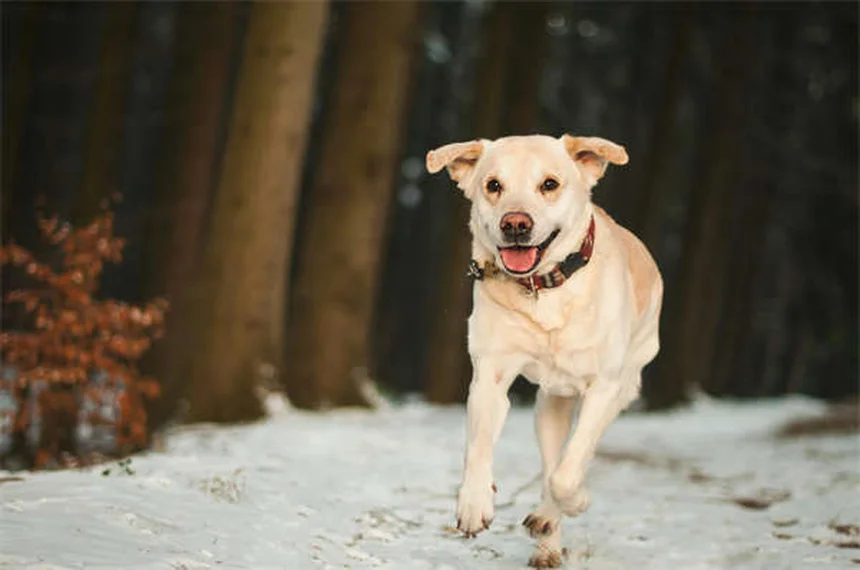 Photos provided by pixabay
Not Your Average Horse Personality
Ever met a horse that acts more like a golden retriever? That's your Akhal-Teke! These guys form incredibly strong bonds with their favorite humans. I've heard stories of Akhal-Tekes refusing to work with anyone but "their" person - talk about loyalty!
But here's the thing: they're not for beginners. Imagine trying to handle a Ferrari when you've only driven golf carts. That's what it's like taking on an Akhal-Teke without experience. They're sensitive, smart, and full of energy - kind of like that one overachieving kid in class who's also the class clown.
Keeping Your Golden Athlete Happy
You know how some people get cranky without their morning coffee? Akhal-Tekes get cranky without their daily workout. These horses need plenty of exercise to stay happy. A bored Akhal-Teke is like a teenager with unlimited Wi-Fi - they'll find trouble faster than you can say "whoa!"
Here's a pro tip: mix up their routine. One day try dressage, the next go for a trail ride. They love variety almost as much as they love attention. And speaking of attention - don't skimp on the pets and praise. These horses thrive on positive reinforcement like I thrive on pizza.
Health Matters for Akhal-Tekes
Common Health Challenges
Did you know Akhal-Tekes can suffer from "naked foal syndrome"? It's as strange as it sounds - foals born with little to no hair. Sadly, this genetic condition is usually fatal. But here's the good news: genetic testing helps breeders avoid producing affected foals.
Another issue to watch for is DSLD - a progressive condition affecting their ligaments. Think of it like a rubber band that loses its stretch over time. Regular vet checks can catch problems early, giving your golden companion the best shot at a healthy life.
 Photos provided by pixabay
Not Your Average Horse Personality
You know what they say - an ounce of prevention is worth a pound of cure. For Akhal-Tekes, this means:
- Regular exercise (but don't overdo it!)
- Quality nutrition (more on that later)
- Routine vet and farrier visits
Ever heard the joke about the horse who walked into a bar? The bartender said, "Why the long face?" Well, your Akhal-Teke won't have reason for a long face if you stay on top of their health care!
Feeding Your Golden Companion
Desert-Adapted Diet
Here's something cool: Akhal-Tekes evolved in the harsh Karakum Desert. This means they're the camels of the horse world - they can get by on less food and water than most breeds. But just because they can survive on minimal rations doesn't mean they should!
Aim for about 2% of their body weight in quality forage daily. For a 950-pound horse, that's roughly 19 pounds of hay. And don't forget fresh water - lots of it! These golden athletes might be desert-born, but they still need proper hydration.
Supplement Smartly
Ever wonder why some Akhal-Tekes glow more than others? Part of it's genetics, but nutrition plays a role too. Omega-3 supplements can enhance that famous metallic sheen while supporting overall health.
Here's a quick comparison of popular supplements:
| Supplement | Benefits | Best For |
|---|---|---|
| Omega-3s | Coat shine, joint health | All Akhal-Tekes |
| Joint Support | Prevents stiffness | Older or active horses |
| Probiotics | Digestive health | Horses with sensitive stomachs |
Akhal-Teke Sports and Activities
 Photos provided by pixabay
Not Your Average Horse Personality
Think of Akhal-Tekes as the decathletes of the horse world. They excel at pretty much everything! From dressage to endurance riding, these golden athletes can do it all. Their smooth gaits make them particularly comfortable for long trail rides too.
Here's a fun fact: in Turkmenistan, they still race Akhal-Tekes over long distances, just like their ancestors did centuries ago. Talk about staying true to your roots!
Finding Their Perfect Match
Not sure which discipline suits your Akhal-Teke best? Ask yourself this: does your horse have the focus of a chess champion or the energy of a toddler on sugar? The answer will point you toward their ideal activity.
For the thinkers, try dressage. For the burst-of-energy types, jumping or racing might be perfect. And for those who just love to go and go? Endurance riding could be their calling. The key is matching their personality to the activity - just like pairing the right wine with dinner, but with less snobbery!
Training Your Akhal-Teke
Smart But Stubborn
Ever tried to argue with a really smart teenager? That's kind of what training an Akhal-Teke can feel like. They're whip-smart but can be stubborn as mules. The secret? Start young and stay consistent.
Positive reinforcement works wonders with these sensitive souls. They respond to praise like plants respond to sunlight - they just bloom! And remember: harsh methods backfire faster than a cheap firework.
Building That Special Bond
Here's the million-dollar question: how do you become "their person"? The answer is simpler than you might think. Spend quality time together, be patient, and respect their intelligence. Before you know it, you'll have a bond stronger than superglue.
I once knew an Akhal-Teke who would only let his owner braid his mane. Anyone else tried? Instant head toss! That's the level of devotion these horses are capable of when they find their human match.
Grooming Your Golden Beauty
Coat Care Like No Other
That famous metallic shine doesn't maintain itself! Regular grooming keeps your Akhal-Teke looking like they stepped out of a fairy tale. Use soft brushes to avoid irritating their thin skin, and don't over-wash - you don't want to strip those natural oils that enhance their glow.
Pro tip: after brushing, give their coat a quick buff with a clean cloth. It brings out even more shine, like polishing a precious metal. Who needs jewelry when you've got an Akhal-Teke?
Hoof Health Essentials
You know what they say - no hoof, no horse. Daily hoof picking is as essential as brushing your teeth. And regular farrier visits? Non-negotiable. Think of it like getting regular haircuts, but for your horse's feet.
Watch for signs of trouble: unusual warmth, strange odors, or changes in gait. Catching problems early can save you both a lot of discomfort down the road. After all, happy hooves mean a happy horse!
Akhal-Teke FAQs Answered
Bitless Bridles: Yay or Nay?
Many Akhal-Teke owners swear by bitless bridles. These sensitive souls often respond better to pressure on their heads rather than in their mouths. It's worth trying if your golden partner seems uncomfortable with traditional bits.
Pronunciation Guide
Struggling with "Akhal-Teke"? Say "ak-uhl-TECK" or "ak-uhl-TECK-ee." Either way works! Just don't call them "those shiny horses" to their faces - they might get offended!
The Shine Explained
That magical glow comes from their unique hair structure. Light bends through their transparent hair medulla like sunlight through a prism. The result? A coat that shimmers like precious metal. Take that, unicorns!
Price Points
How much for one of these golden beauties? Prices range from $10,000 to over $100,000 for top competitors. But remember: the real cost comes in time and dedication. These aren't horses you buy and forget - they're partners for life.
The Cultural Significance of Akhal-Tekes
National Treasure of Turkmenistan
You know how Americans have bald eagles? Well, Turkmenistan has Akhal-Tekes! These horses appear on their currency, stamps, and even the national emblem. The president gifts them to foreign dignitaries - talk about horse diplomacy!
Every year, Turkmenistan celebrates "The Day of the Turkmen Horse" with parades and races. Imagine if we had "Day of the Mustang" with car shows and horse shows combined - now that would be confusing!
Ancient Warriors' Companions
Here's a history lesson for you: Genghis Khan's warriors rode Akhal-Tekes into battle. Their endurance and speed made them perfect for long campaigns across Central Asia. Some historians believe these golden horses helped shape empires!
Modern DNA studies show Akhal-Tekes share ancestry with extinct Turkoman war horses. That means when you ride one today, you're basically sitting on living history. How cool is that?
Breeding Akhal-Tekes Responsibly
The Challenges of Small Gene Pools
With fewer than 7,000 Akhal-Tekes worldwide, breeders walk a tightrope. Too much inbreeding causes health issues, but expanding the gene pool risks losing those unique golden traits. It's like trying to bake the perfect cookie while changing the recipe!
Responsible breeders now use genetic testing to make informed decisions. They track lineages more carefully than royal families track their ancestry. After all, we want these golden horses around for another 3,000 years!
What Makes a Quality Breeding Pair?
Ever wonder how breeders choose which horses to mate? They look at:
- Coat quality (that famous metallic shine)
- Conformation (no wonky legs allowed)
- Temperament (nobody wants a grumpy golden horse)
- Performance records (champion bloodlines help)
Here's a fun comparison of breeding priorities:
| Factor | Show Horses | Sport Horses |
|---|---|---|
| Priority #1 | Coat appearance | Movement quality |
| Priority #2 | Conformation | Endurance |
| Priority #3 | Pedigree | Temperament |
Traveling With Your Akhal-Teke
Preparing for Horse Shows
Taking your golden horse to competitions? Pack like you're preparing for a rock star's world tour! You'll need:
- Special shipping boots (no scuffs on those golden legs)
- Show sheen spray (extra sparkle for the spotlight)
- Favorite treats (performance anxiety is real, folks)
Pro tip: arrive early so your Akhal-Teke can settle in. These sensitive souls need time to adjust to new places, just like that one friend who takes three days to get comfortable at your vacation rental.
International Transport Considerations
Ever thought about importing an Akhal-Teke from Turkmenistan? Hold your horses! The paperwork alone could wallpaper a stable. You'll need:
- Health certificates (signed in triplicate)
- Import permits (more valuable than gold)
- Quarantine arrangements (nobody wants sick horses)
Shipping costs can run $10,000+ for international transport. That's why many buyers visit Turkmenistan first - to make sure they're getting their money's worth in golden horseflesh!
Akhal-Tekes in Popular Culture
Silver Screen Stars
Hollywood loves a pretty face, and Akhal-Tekes have starred in several films. Their metallic coats photograph beautifully under studio lights. Remember the golden horse in "The Man from Snowy River" sequel? That was an Akhal-Teke stealing scenes!
Fun fact: these horses often play mythical creatures in fantasy films. Their otherworldly appearance makes them perfect for roles requiring magical steeds. Take that, Game of Thrones dragons!
Artistic Muses Through History
Artists have been obsessed with Akhal-Tekes for centuries. Ancient Persian miniatures, Russian oil paintings, even modern digital art - that golden glow inspires creativity across mediums.
Ever seen those fancy car ads with gleaming vehicles? Photographers use lighting tricks to create the "Akhal-Teke effect" on metal surfaces. The horses did it first - and better!
Akhal-Teke Rescue and Retirement
When Golden Years Need Golden Care
What happens when these athletic horses age? Just like human athletes, they need special retirement plans. Many enjoy second careers as therapy horses or light trail companions.
Some rescues specialize in senior Akhal-Tekes, providing:
- Soft bedding for arthritic joints
- Special senior feeds
- Gentle exercise routines
Ever wonder if horses get bored in retirement? Try introducing puzzle feeders or gentle groundwork. Keeping their minds active is just as important as caring for their bodies!
Adoption Considerations
Thinking about rescuing an Akhal-Teke? Ask yourself: can you handle a potentially traumatized horse with big emotions? These sensitive souls often need extra patience and understanding.
Work closely with rescue organizations to find your perfect match. Some horses thrive with experienced handlers, while others do better with quiet retirement homes. It's like matchmaking, but with more hay involved!
The Future of Akhal-Tekes
Conservation Efforts
With climate change threatening their native Turkmenistan habitat, conservationists are working overtime. Breeding programs worldwide help preserve genetic diversity while maintaining those iconic golden traits.
Did you know there's now an Akhal-Teke DNA database? Scientists use it to track lineages and prevent genetic diseases. It's like 23andMe for horses, minus the embarrassing family secrets!
Expanding Their Popularity
Why aren't Akhal-Tekes as common as Quarter Horses? Simple - they're not for everyone. But increased education about their unique needs helps more people appreciate these golden athletes.
Social media plays a huge role too. Instagram accounts showcasing their metallic coats gain thousands of followers. After all, who can resist that #GoldenGlow?
E.g. :Akhal-Teke Horse Breed Profile
FAQs
Q: Why is the Akhal-Teke called the golden horse?
A: The Akhal-Teke earns its "golden horse" nickname from its uniquely metallic coat that literally shines like polished metal in sunlight. Here's the science behind it: their hair structure lacks the typical opaque core, allowing light to refract through the transparent medulla layer. This creates that breathtaking shimmer effect, especially noticeable in golden and palomino colored individuals. Ancient Turkmen warriors prized this feature, believing the horses' glow made them faster and more majestic in battle. Today, this natural bling remains the breed's most famous trademark - no Instagram filters needed!
Q: Are Akhal-Teke horses good for beginners?
A: Honestly? Probably not your best first horse. Akhal-Tekes are like sports cars - high-performance but requiring skilled handling. These sensitive, intelligent horses form intense bonds with one person and can be stubborn or excitable with inexperienced handlers. We recommend them for intermediate to advanced riders who understand equine body language and can provide consistent, patient training. That said, their loyalty and work ethic make them incredible partners for the right owner. Think of them as the "gifted but temperamental artist" of the horse world!
Q: What health problems do Akhal-Teke horses have?
A: Due to their small gene pool, Akhal-Tekes face several genetic health concerns. The most serious is Naked Foal Syndrome (NFS), where foals are born hairless and rarely survive. They're also prone to DSLD (a progressive ligament condition) and wobbler syndrome (spinal cord compression). The good news? Responsible breeders now use genetic testing to reduce NFS risks. For other conditions, regular vet check-ups, proper nutrition, and avoiding overexertion can help keep your golden companion healthy. Always ask breeders about health testing before purchasing!
Q: How much exercise does an Akhal-Teke need?
A: These desert-born athletes need daily physical and mental stimulation - think 1-2 hours of active work minimum. An under-exercised Akhal-Teke becomes like a bored genius kid: they'll invent their own (usually destructive) games! Ideal activities include dressage, jumping, endurance riding, or challenging trail rides. Mix up their routine to prevent boredom - maybe arena work one day, hill training the next. Remember, their Turkmen ancestors covered 30+ miles daily, so that pent-up energy needs proper outlets. A tired Akhal-Teke is a happy (and well-behaved) Akhal-Teke!
Q: What's the best way to groom an Akhal-Teke's unique coat?
A: That famous metallic shine requires special care! Use soft brushes to avoid irritating their thin skin, and limit washing to preserve natural oils. We recommend a four-step routine: 1) Curry comb to loosen dirt, 2) Dandy brush for deep cleaning, 3) Soft body brush for polishing, 4) Final buff with a clean cloth to maximize shine. For shows, some owners apply coat conditioners containing lanolin. Pro tip: their sparse manes/tails tangle easily, so use detangling spray and wide-tooth combs. With proper care, your Akhal-Teke will glow like the treasure it is!