
Decoding Dog Language: 7 Ways Your Pup Communicates Without Barking
Ever wondered how dogs communicate without barking? The answer is: Your dog is actually talking to you all the time - just not with words! From tail wags to ear positions, our furry friends have a rich vocabulary of body language that most owners completely miss. I've spent years studying canine communication, and let me tell you - once you learn to speak dog, you'll never look at your pup the same way again.Dogs use over 30 different signals to express themselves, ranging from obvious (like jumping for joy) to subtle (that weird lip-licking thing they do). The coolest part? Many of these signals are universal across breeds - meaning a Chihuahua and a Great Dane actually speak the same body language! In this guide, we'll break down the 7 most important ways dogs communicate silently, so you can finally understand what your best friend is really saying.
E.g. :Do Pets Grieve? Heartbreaking Signs Your Dog Misses You
- 1、How Dogs Speak Without Words
- 2、The Art of Doggy Diplomacy
- 3、The Happy Dance (And Other Joyful Expressions)
- 4、Barking Up The Right Tree
- 5、Becoming A Dog Translator
- 6、The Science Behind Dog Communication
- 7、Puppy Talk: How Baby Dogs Learn Language
- 8、Dogs vs. Wolves: Communication Cousins
- 9、When Communication Goes Wrong
- 10、Training With Communication in Mind
- 11、The Future of Human-Dog Communication
- 12、FAQs
How Dogs Speak Without Words
More Than Just Barking
You know how we humans use words to chat? Well, dogs have their own secret language that goes way beyond just barking. Imagine if every time you wanted to say "hello," you had to dance the Macarena - that's kinda what it's like for dogs!
Dogs use over 30 different signals to talk to each other and to us. Some are super obvious (like when Fido wags his tail so hard his whole butt shakes), while others are more subtle than a teenager's eye roll. Let me break down their communication toolbox for you:
Doggy "Back Off" Signals
Ever seen a dog bare its teeth like it's auditioning for a vampire movie? That's what we call distance-creating behavior. It's their way of saying "personal space, please!" Here's the full menu of "back off" signs:
- Showing teeth (the classic "I'm not smiling" look)
- Lunging forward (like a football player doing a fake-out)
- Growling (nature's version of an alarm system)
But here's something funny - sometimes dogs do these moves just to bluff! It's like when you pretend to be mad at your little brother but you're actually just messing with him.
The Art of Doggy Diplomacy
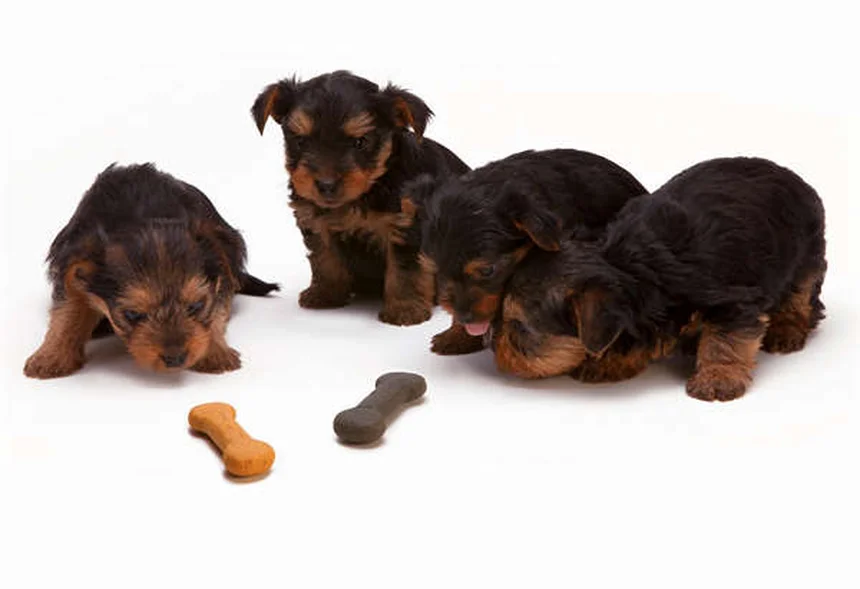 Photos provided by pixabay
Calming Signals Explained
You know that awkward moment when you yawn during a boring meeting? Dogs do that too - but for them, it's actually clever communication. Turid Rugaas (the dog whisperer of Norway) discovered that dogs have special "calming signals" to keep things peaceful.
Here's a quick comparison of common calming signals:
| Signal | What It Means | Human Equivalent |
|---|---|---|
| Yawning | "Let's all chill out" | Changing the subject during an argument |
| Licking lips | "I come in peace" | Waving a white flag |
| Turning away | "I'm not looking for trouble" | Scrolling on your phone to avoid eye contact |
When Dogs Get Scared
Did you know a scared dog's tail can disappear faster than your paycheck on payday? When dogs feel threatened, their whole body becomes a fear billboard:
The classic "I'm terrified" look includes:- Tail tucked so far under it could be a belly button- Crouching like they're trying to become one with the floor- That panicked look like when you realize you left the oven on
And get this - some dogs will even pee when scared! It's like their emotions literally leak out. Not exactly the best party trick, but it gets the message across.
The Happy Dance (And Other Joyful Expressions)
Tail Wagging 101
Not all tail wags are created equal! Did you know the direction of the wag matters? A right-sided wag means "Life is awesome!" while a left-sided wag often means "I'm not so sure about this..."
Here's a fun experiment: next time your dog greets you, check which side his tail favors. It's like having a mood ring attached to his butt!
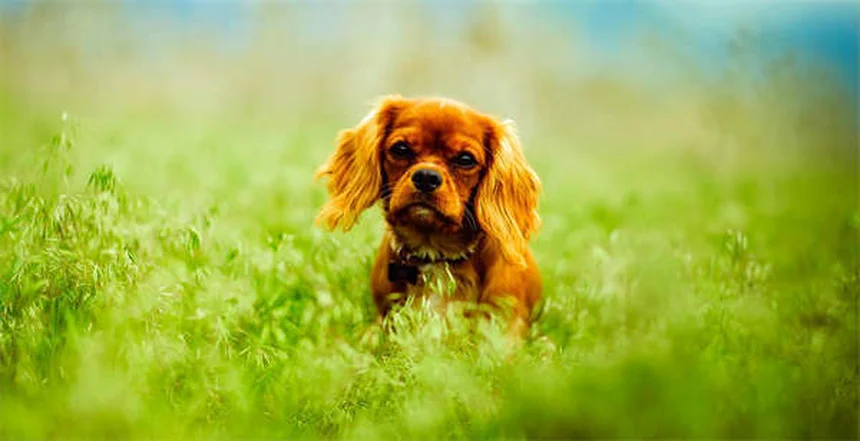 Photos provided by pixabay
Calming Signals Explained
Some dogs don't just wag tails - they wag their entire existence! You've seen it - that wiggly, jiggly, "I might pee from excitement" dance. It's the canine version of winning the lottery.
Other happy signs include:- Face licks (doggy kisses!)- Play bows (butt in the air like they just don't care)- Zoomies (suddenly running laps like someone set their tail on fire)
Barking Up The Right Tree
Why Do Dogs Bark Anyway?
Ever wonder why your dog barks at the mailman like he's an international spy? Barking is just one tool in their communication toolbox, but oh boy, do they have different barks!
Here's the bark breakdown:- Alert bark: "Hey human! There's a leaf moving suspiciously outside!"- Play bark: Short, happy bursts like popcorn popping- Demand bark: The canine version of "Service! Now!"
Other Noisy Expressions
Barking isn't the only sound in their repertoire. Dogs have a whole symphony of sounds:
Whining - The doggy equivalent of "But moooom..."
Growling - Nature's warning system
Howling - For when they feel like being dramatic
Did you know some dogs "talk" by making weird grumbly noises? My neighbor's husky does this thing that sounds exactly like "I love you" - creepy but adorable!
Becoming A Dog Translator
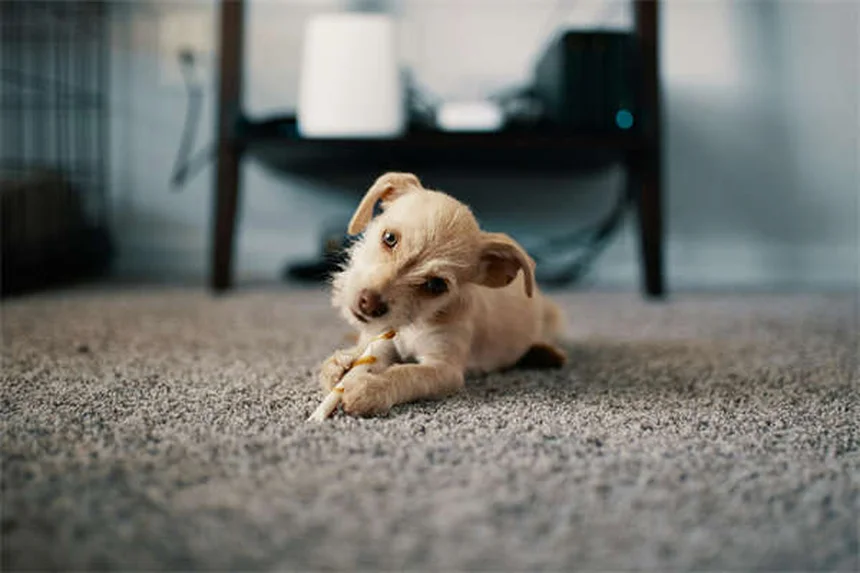 Photos provided by pixabay
Calming Signals Explained
Here's a question: if dogs could talk, what would they say about how we misunderstand them? Probably something like "Dude, I was just yawning because I'm tired, not because I find you boring!"
The truth is, when we learn to read dog language, we prevent so many misunderstandings. Imagine if every time you waved hello, someone thought you were about to slap them - that's how dogs must feel sometimes!
Putting It All Together
Next time your dog does something weird, remember - it's probably just them trying to have a conversation. Whether it's a tail wag, a play bow, or even that embarrassing scaredy-pee moment, they're just expressing themselves in the only way they know how.
And hey, if nothing else, now you can impress your friends by saying things like "Actually, when a dog licks its lips like that, it's a calming signal" at parties. You're welcome!
The Science Behind Dog Communication
How Dogs Understand Each Other
You ever notice how two dogs can meet for the first time and instantly know whether they'll be best friends or mortal enemies? That's because they're reading a whole encyclopedia of information in just seconds! Dogs process body language faster than you can say "who's a good boy?"
Researchers at Duke University found that dogs have special facial recognition skills just for other dogs. They can tell if another pup is friendly or aggressive by subtle cues we humans often miss - like ear position changes smaller than a dime!
The Nose Knows
Here's something wild - dogs actually smell emotions! Their powerful noses can detect chemical changes when we're happy, scared, or angry. That's why your dog might lick your face when you're sad - they're not just being cute, they're literally tasting your sadness and trying to comfort you!
Think about how you can tell when someone's had too much garlic bread at dinner. Now imagine being able to smell when someone's nervous about a job interview - that's your dog's everyday reality.
Puppy Talk: How Baby Dogs Learn Language
The First Eight Weeks
Did you know puppies start learning dog language before they even open their eyes? From birth to about 8 weeks, they're soaking up communication skills like tiny furry sponges. Here's what their learning schedule looks like:
| Age | Communication Milestone | Human Equivalent |
|---|---|---|
| 0-2 weeks | Learning to whine for food | A baby's first cries |
| 3-4 weeks | First play bows with siblings | Toddler sharing toys |
| 5-8 weeks | Practicing adult dog signals | Teenager learning sarcasm |
Mom's Teaching Methods
Ever seen a mother dog correct her puppies? She doesn't send them to timeout - she uses quick, gentle mouthing or blocking movements. It's like when your mom gave you that look across the dinner table when you were about to do something dumb.
Puppies who don't get this early education often grow up to be the socially awkward dogs at the park - the ones who don't understand personal space or play too rough. Kinda like that one uncle at family gatherings!
Dogs vs. Wolves: Communication Cousins
What We've Learned From Wolves
Here's a question that might surprise you: if wolves and dogs came from the same ancestor, why do they communicate so differently? The answer lies in thousands of years of domestication!
Wolves use much more intense body language because they live in highly structured packs. Dogs, having evolved with humans, developed softer communication skills to get along with us. It's like comparing military hand signals to emoji texts!
The Tail Tale
Check this out - wolves almost never wag their tails when happy! That adorable butt-wiggling joy is something dogs developed specifically to communicate with humans. Researchers believe it's because we respond so positively to rhythmic movements (hence why babies love mobiles).
Your dog's wagging tail isn't just saying "I'm happy" - it's saying "I'm happy with YOU" in a language they invented just for our species. How cool is that?
When Communication Goes Wrong
Mixed Signals Between Species
You know that awkward moment when you wave at someone and they think you're waving at someone behind them? Dogs experience that all the time with human body language!
For example, when we lean over a dog and stare into their eyes while petting them, we think we're being affectionate. But in dog language, that's like someone putting their face two inches from yours while shouting "I LOVE YOU!!" No wonder some dogs get nervous!
The Hug Dilemma
Here's something that might shock you - most dogs hate being hugged! In dog language, putting limbs over another dog is a dominance move. When we squeeze them in hugs, we're essentially telling them "I'm the boss of you" in their native tongue.
But wait - doesn't your dog seem to like hugs? Some tolerate it because they love us, just like you might tolerate your aunt's sloppy kisses at Thanksgiving. But watch their eyes next time - you might spot subtle stress signals like whale eye (showing the whites) or lip licking.
Training With Communication in Mind
Speaking Dog During Training
Ever wonder why some trainers get amazing results while others struggle? The secret is they're not just training dogs - they're communicating in dog language while teaching human commands!
Top trainers use body language cues that match how dogs naturally communicate:- Standing tall for "pay attention"- Turning sideways for "it's okay"- Moving slowly for "no threat here"
The Power of Mirroring
Here's a pro tip - try yawning when you want your dog to calm down! Since yawning is a calming signal in dog language, they'll often respond by relaxing too. It's like when you see someone stretch and suddenly feel the need to stretch yourself.
You can also use "play bows" (hands on knees, butt in air) to invite your dog to play. They'll recognize it immediately - it's the international doggy symbol for "game on!" Just maybe don't do this at important business meetings.
The Future of Human-Dog Communication
Technology Meets Dog Language
Get ready for this - scientists are working on dog language translators! Using AI and sensors, these devices attempt to interpret barks, tail wags, and ear positions into human speech. Early versions can already distinguish between "I'm hungry" barks and "someone's at the door" barks with about 80% accuracy.
Imagine your smart speaker one day saying "Fido wants you to know the cat looked at him funny and he feels disrespected." We might finally understand why dogs bark at vacuum cleaners!
What Dogs Wish We Knew
If dogs could write us a letter about communication, it might say something like:"Dear humans,Please stop smiling at us with your teeth showing - it looks aggressive. Also, when we look away, we're being polite, not ignoring you. And for the love of treats, stop dressing us in embarrassing costumes unless you want us to start dressing you in dog sweaters.Love, All Dogs"
At the end of the day, the more we understand about how dogs communicate, the stronger our bond becomes. And isn't that what every dog and human really wants - to finally understand each other?
E.g. :IsItBullshit: Dogs have specialized ways of communication with ...
FAQs
Q: What are calming signals in dogs?
A: Calming signals are your dog's way of saying "let's keep things cool" - think of them as canine peacekeeping tools. Norwegian dog expert Turid Rugaas identified over 30 of these subtle behaviors that dogs use to prevent conflicts and communicate friendly intentions. Common examples include yawning (not because they're tired), looking away, or doing that funny slow-motion walk. Here's why this matters: when you recognize these signals, you can tell if your dog feels uncomfortable in a situation before things escalate. For instance, if Fido starts licking his lips when meeting a new dog, he's basically saying "I come in peace!" - not "I'm hungry." Pretty cool, right?
Q: How can I tell if my dog is happy?
A: Happy dogs have a whole body language repertoire that's impossible to miss once you know what to look for! The classic signs include: a loose, wiggly body (like they're made of jelly), a wagging tail that moves in wide circles (we call this the "helicopter tail"), and those adorable play bows where their butt sticks up in the air. But here's a pro tip: watch their face too! A truly happy dog will have relaxed ears (not pinned back), soft eyes, and might even do that silly pant-smile thing. And don't forget the zoomies - when your dog suddenly races around like a maniac, that's pure joy in motion! Just be careful - some dogs get so happy they might accidentally pee (we call this "submissive urination"), especially in puppies.
Q: Why does my dog growl during play?
A: Play growling is completely normal and actually means your dog is having the time of their life! Unlike aggressive growls (which are low and rumbly), play growls are higher-pitched and usually come with other happy signals like bouncing or play bows. Think of it like kids pretending to fight - the growls are part of the game! However, it's important to know the difference: if the growling gets deeper, the body stiffens, or the lips curl back, that's when playtime should end. Most dogs have excellent self-control during play, but as responsible owners, we should always monitor these interactions. Fun fact: some breeds (like Huskies) are especially vocal players and might sound like they're murdering their toys when they're actually just super into the game!
Q: What does it mean when a dog licks its lips?
A: Lip licking can mean several things depending on the context - it's like a canine multi-tool of communication! In stressful situations (like at the vet), it's a calming signal meaning "I'm uncomfortable." When you're eating something delicious, it probably means "I want some too!" (obviously). But here's the interesting part: dogs also lick their lips when they're feeling nauseous or have something stuck in their mouth. As a general rule, watch the whole body - if the licking comes with tense muscles or whale eye (when you see the whites of their eyes), your pup might be stressed. My golden retriever does this funny "air licking" when he's super excited about dinner - no actual tongue contact, just frantic licking motions. Dogs are weird, man!
Q: How do dogs show they're scared?
A: Scared dogs have some unmistakable (but often misunderstood) body language cues. The classic signs include: tail tucked so far under it disappears, ears pinned back flat against the head, crouching low to the ground (like they're trying to become invisible), and that panicked "whale eye" look. Some dogs will even shake or yawn excessively when frightened. Here's what most people miss: a scared dog might suddenly start sniffing the ground intensely - this is their way of saying "I'm not a threat, just checking out this very interesting smell!" The saddest part? Many people punish these fear signals (like growling), which actually makes the problem worse. Remember: when a dog shows fear, they need comfort and space - not scolding. And yes, some dogs really do pee when terrified - it's nature's version of the white flag!