
How Dogs See: 7 Fascinating Differences From Human Vision
How do dogs see compared to humans? The answer might surprise you! While we share similar eye anatomy, dogs have some incredible vision superpowers - and some limitations too. Dogs see the world differently than we do, with better night vision and motion detection but less color perception and visual sharpness. I've spent years studying canine vision, and let me tell you, their eyes are marvels of evolution!You'll be amazed to learn that your dog's eyes contain a special reflective layer called the tapetum lucidum that gives them night vision capabilities. And those adorable puppy eyes? They're actually a sophisticated communication tool! In this guide, we'll break down exactly how your dog experiences the world visually - from why they struggle with red toys to how they can spot the slightest movement across the yard.
E.g. :Best Dog Carriers: How to Choose the Right One for Your Pup
- 1、How Dogs See Differently Than Humans
- 2、Dog Vision Superpowers
- 3、Where Dog Vision Falls Short
- 4、Testing Your Dog's Vision
- 5、Fun Facts About Dog Vision
- 6、Living With Your Dog's Unique Vision
- 7、Understanding Your Dog's Visual World
- 8、Breed-Specific Vision Traits
- 9、Dog Vision Through Life Stages
- 10、Enhancing Your Dog's Visual Environment
- 11、Fun Vision-Based Activities
- 12、FAQs
How Dogs See Differently Than Humans
The Fascinating Structure of Dog Eyes
Ever wondered why your dog's eyes glow in photos? Let me break down their eye anatomy in simple terms. Dogs have most of the same eye parts we do - eyelids, cornea, iris, and retina. But they've got some cool extras we don't have!
The tapetum lucidum acts like nature's night vision goggles. This shiny layer behind their retina reflects light, giving them superior night vision. That's why Fido can find his toy in a dark room when you're stumbling over furniture! Their third eyelid (nictitating membrane) works like a windshield wiper, keeping their eyes moist and protected.
Rainbow of Dog Eye Colors
From deep brown to icy blue, dog eyes come in stunning varieties. Here's a quick comparison of common colors:
| Eye Color | Common in Breeds | Special Notes |
|---|---|---|
| Brown | Most breeds | Most common color |
| Blue | Huskies, Aussies | Often paired with merle coats |
| Hazel | Hounds, Retrievers | Changes in different light |
Did you know some dogs even have two different colored eyes? It's called heterochromia, and it's completely normal - no vision problems here!
Dog Vision Superpowers
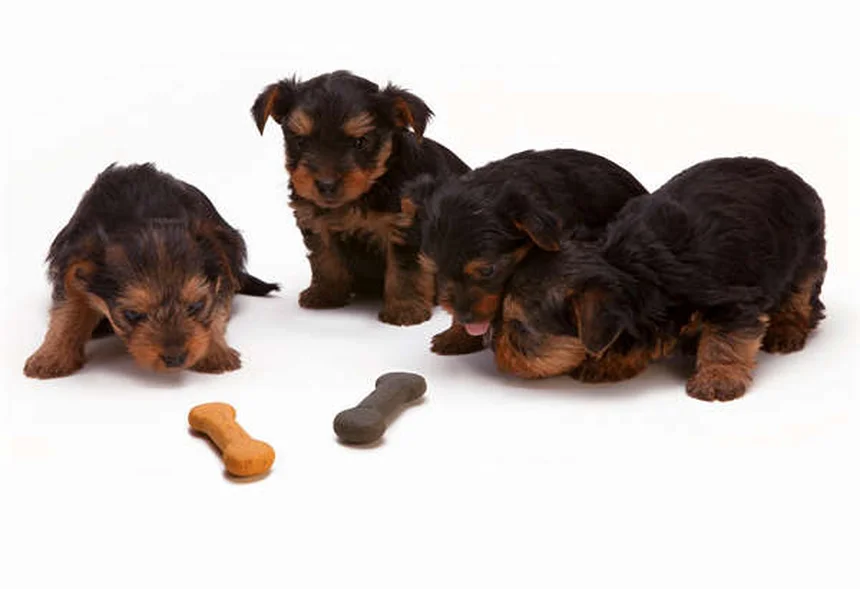 Photos provided by pixabay
Night Vision Champions
While we're fumbling for light switches, dogs are already navigating the room. Their night vision is about 5 times better than ours thanks to:
- Extra light-sensitive rods in their retina
- Larger pupils that let in more light
- That magical tapetum lucidum reflector
- A lens positioned closer to the retina
Next time your dog barks at "nothing" in the dark, remember - he's probably seeing something you can't!
Motion Detection Experts
Ever notice how your dog spots squirrels before you do? Dogs detect movement 10-20 times better than humans. Their eyes contain more rods - specialized cells that excel at catching motion. This explains why:
- They go crazy when you wiggle a toy
- They notice tiny hand signals during training
- They react to subtle body language changes
This superpower comes from their hunting ancestry - spotting quick prey movements meant survival!
Where Dog Vision Falls Short
The Blurry World of Dogs
If dogs wore glasses, they'd need a strong prescription! Most have 20/75 vision, meaning they must be 20 feet from something to see it as clearly as we can at 75 feet. Labs, bred as guide dogs, come closest to human 20/20 vision.
Think of it like this: While you're admiring a beautiful sunset, your dog sees it as a fuzzy watercolor painting. But does this bother them? Not one bit!
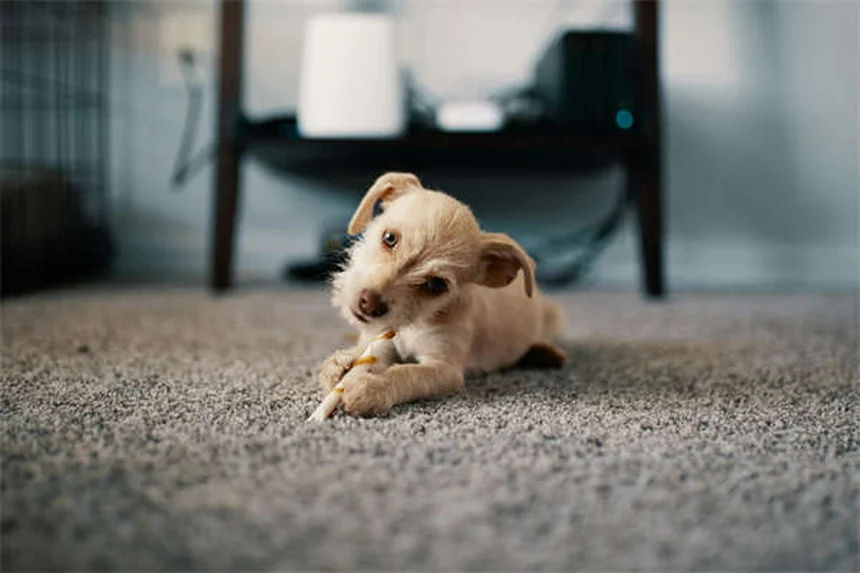 Photos provided by pixabay
Night Vision Champions
Here's a fun experiment: toss a red ball in green grass. Your dog will struggle because they see in blue and yellow shades only. Their world looks like an old photograph with certain colors missing.
But why does this matter? When choosing dog toys, go for blue or yellow - they'll stand out better against green grass. Red toys? Basically invisible camouflage!
Testing Your Dog's Vision
Simple At-Home Checks
You don't need fancy equipment to check if your dog sees well. Try these easy tests:
1. The cotton ball test: Drop one from eye level and see if they track it
2. The obstacle course: Arrange furniture differently and watch their navigation
3. The hand wave: Slowly move your hand toward their face (don't touch!)
If they pass these, their vision is probably fine. But if you're concerned, veterinary ophthalmologists can perform detailed exams - yes, there are dog eye doctors!
When to Worry About Vision
Dogs adapt amazingly to vision loss, but watch for these signs:
- Bumping into furniture
- Hesitation on stairs
- Not recognizing familiar people
- Cloudy-looking eyes
- Excessive eye discharge
Remember, many older dogs develop some vision loss - just like humans needing reading glasses. With some home adjustments (like not moving furniture), they do just fine!
Fun Facts About Dog Vision
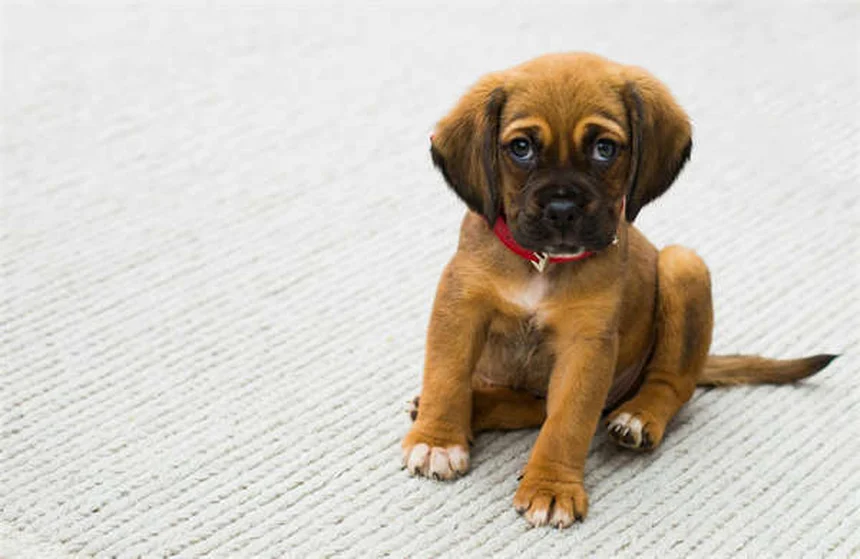 Photos provided by pixabay
Night Vision Champions
While we have about 180 degrees of vision, dogs get 250 degrees! Their side-set eyes give them better peripheral vision - perfect for spotting that sneaky cat approaching from the side.
But there's a trade-off: their depth perception isn't as sharp as ours. That's why some dogs misjudge jumps or have trouble catching treats mid-air!
Puppy Eyes Aren't Just Cute
Those big, soulful puppy eyes evolved to melt our hearts! Research shows dogs developed facial muscles to make "puppy dog eyes" as a communication tool. And it works - we're 10 times more likely to adopt dogs who make this expression!
Next time your dog gives you "the look," remember - it's not just adorable, it's brilliant evolutionary strategy!
Living With Your Dog's Unique Vision
Playtime Adjustments
Now that you understand how your dog sees, you can make playtime more fun:
- Choose blue or yellow toys for visibility
- Add movement to get their attention
- Use scent cues to help them find hidden items
- Keep play areas well-lit at night
Did you know playing fetch at dusk actually gives your dog the advantage? Their superior night vision means they can keep playing long after you've lost sight of the ball!
Training With Vision in Mind
Use these vision facts to train smarter:
1. Hand signals work great because dogs notice movement
2. Stand closer when teaching new commands
3. Use high-contrast training tools
4. Be consistent with your body language
Remember, your dog isn't ignoring you - they might just not see your subtle cues clearly. A little understanding goes a long way!
Understanding Your Dog's Visual World
The Science Behind Those Puppy Dog Eyes
You know that look your dog gives you when you're eating dinner? Turns out there's actual science behind those irresistible puppy eyes! Researchers at UK universities discovered dogs have evolved special facial muscles just for communicating with humans. These muscles let them raise their inner eyebrows, creating that heart-melting expression we can't resist.
Here's something wild - wolves, their closest relatives, don't have these muscles! This suggests dogs literally developed "cute face" powers through domestication. Next time your dog stares at your sandwich, remember you're witnessing thousands of years of evolutionary strategy in action!
How Dogs Watch TV Differently
Ever notice your dog reacting to animals on screen? Modern TVs actually flicker at about 60Hz, which looks smooth to us but appears choppy to dogs. Their eyes process images faster than ours - they need at least 75Hz to see fluid motion!
Some pet companies now make dog-friendly television programs with higher frame rates and colors dogs can see. There's even a dog TV channel! Try putting on one of these shows next time you leave the house - your pup might enjoy watching other dogs play while you're gone.
Breed-Specific Vision Traits
Sighthounds vs Other Breeds
Did you know some dogs literally have better vision than others? Sighthounds like Greyhounds and Whippets have eyes positioned more forward on their heads, giving them binocular vision similar to humans. This means:
| Breed Type | Eye Position | Vision Advantage |
|---|---|---|
| Sighthounds | Forward-facing | Better depth perception |
| Other Breeds | Side-set | Wider peripheral vision |
This explains why Greyhounds can spot moving objects up to half a mile away - they were bred to see prey at incredible distances!
Brachycephalic Dogs and Vision Challenges
Short-nosed breeds like Pugs and Bulldogs face unique vision issues. Their adorable squished faces often mean shallow eye sockets, which can lead to:
- More frequent eye injuries
- Difficulty closing eyelids completely
- Higher risk of corneal ulcers
- Excessive tear production
If you have one of these flat-faced cuties, be extra careful around bushes and sharp corners. Their prominent eyes are more vulnerable to scratches!
Dog Vision Through Life Stages
Puppy Vision Development
Newborn puppies are actually born blind! Their eyes open around 10-14 days, but vision keeps developing for weeks. Here's the timeline:
Week 1-2: Eyes closed, completely blind
Week 3: Eyes open but vision blurry
Week 4-5: Start tracking movement
Week 6-8: Near adult-level vision
This slow development explains why puppies are so clumsy at first - they're literally learning to see their world!
Senior Dog Vision Changes
Just like us, dogs' eyes change as they age. Many develop nuclear sclerosis - a harmless blue haze in the lens. But how can you tell normal aging from serious problems?
Normal changes:
- Slight cloudiness
- Slower response to movement
- More cautious in dim light
Warning signs:
- Sudden vision loss
- Redness or swelling
- Squinting or pawing at eyes
- Thick discharge
Regular vet checkups help catch issues early. And remember - dogs adapt amazingly well to vision changes!
Enhancing Your Dog's Visual Environment
Creating a Vision-Friendly Home
Want to make your home more comfortable for your dog's unique vision? Try these simple adjustments:
- Use night lights in hallways for better nighttime navigation
- Keep furniture arrangements consistent
- Choose high-contrast food and water bowls
- Add textured pathways for blind or vision-impaired dogs
Did you know placing a textured mat under food bowls helps dogs locate them by feel? Small changes make a big difference!
Outdoor Safety Considerations
Your yard might look safe to you, but through dog vision it's different. Here's how to make outdoor spaces safer:
1. Avoid using red toys or equipment on green grass
2. Mark pool edges clearly (dogs can't see water well)
3. Use motion-activated lights for nighttime potty breaks
4. Keep walkways clear of low obstacles
Remember, your dog relies more on smell and hearing than we do. Combining these senses with vision-friendly adjustments creates the perfect environment!
Fun Vision-Based Activities
Games That Play to Their Strengths
Want to give your dog's visual skills a workout? Try these fun games:
- Flashlight tag: Move a flashlight beam for them to chase (great indoors!)
- Find the treat: Use high-contrast containers for hide-and-seek
- Motion drills: Wave a flag or streamer for them to follow
- Tracking games: Drag a scented item through grass
These activities tap into their natural motion detection abilities while providing mental stimulation. Plus, they're just plain fun!
Training With Visual Cues
Did you know dogs respond better to visual signals than verbal commands? Here's how to use this in training:
- Use consistent hand signals with verbal commands
- Make your movements big and clear
- Face your dog directly when giving visual cues
- Practice in good lighting conditions
Why does this work so well? Remember - dogs evolved to read body language before they learned our words. Working with their natural abilities makes training easier for both of you!
E.g. :How Dogs See the World - NOT in Black and White - YouTube
FAQs
Q: Can dogs see in color or just black and white?
A: Dogs do see colors, but not the full rainbow like we do. For years, people believed dogs only saw in black and white, but we now know they have dichromatic vision - meaning they see blues and yellows best. Their world looks similar to how a colorblind human might see it. Reds appear as dark yellows or browns, and greens look yellowish. That's why your red ball disappears in green grass from your dog's perspective! When choosing toys or training equipment, opt for blue or yellow items that stand out clearly in their limited color spectrum.
Q: Why do dogs' eyes glow in photos and at night?
A: That eerie glow comes from the tapetum lucidum, a special reflective layer behind their retina that we humans don't have. Think of it like nature's night vision technology! This mirror-like structure bounces light back through the retina, giving photoreceptors a second chance to detect it. It's why your dog can navigate a dark room effortlessly while you're bumping into furniture. The color of the glow varies by dog - typically greenish-yellow in most breeds, but blue in Siberian Huskies. This amazing adaptation gives dogs about 5 times better night vision than humans have.
Q: Do dogs with blue eyes have vision problems?
A: Not necessarily! While blue eyes in dogs might look unusual, they don't automatically mean vision issues. The color comes from reduced pigment in the iris and is common in certain breeds like Siberian Huskies and Australian Shepherds. However, some blue-eyed dogs may be slightly more light-sensitive. The real concern comes with merle-patterned dogs - when two merles breed, their puppies can have serious eye defects. But generally, if your blue-eyed pup isn't showing signs of vision trouble (bumping into things, reluctance to jump), their eye color is just a beautiful genetic variation!
Q: How can I test my dog's vision at home?
A: Here's a simple 3-step vision check you can do right now: First, try the cotton ball test - drop one from eye level and see if they track it. Second, create a mini obstacle course with furniture and observe their navigation. Third, slowly move your hand toward their face (without touching) to check their blink reflex. Other signs of good vision include catching treats mid-air and recognizing familiar people from a distance. If you're concerned, veterinary ophthalmologists have specialized equipment to give more precise vision assessments. Remember, dogs adapt amazingly well to vision loss, so regular checks are important!
Q: Why does my dog notice movement better than I do?
A: Your dog's motion detection superpower comes from having 10-20 times more light-sensitive rods in their retinas than humans. These specialized cells excel at catching movement, a leftover trait from their hunting ancestors. That's why your dog spots squirrels before you do and goes crazy for waving toys! This heightened sensitivity explains why hand signals work so well in training - even subtle movements grab their attention. It also means they pick up on tiny changes in your body language that you might not even notice yourself. So when your dog reacts to "nothing," they're probably seeing something your eyes can't detect!