
Do Pets Get Seasonal Affective Disorder? 7 Surprising Signs to Watch For
Do pets get seasonal affective disorder? The answer is: while there's no definitive scientific proof, many pets show behavior changes that look suspiciously like SAD during winter months. Just like us, our furry friends can feel the effects of shorter days and less sunlight. I've noticed my own dog becoming more lethargic when the seasons change - and guess what? About 30 million U.S. pets show similar winter blues according to pet parent reports!The truth is, whether it's actual SAD or just seasonal mood shifts, you'll want to watch for key signs like increased sleep, appetite changes, or unusual clinginess. But here's the important part: these symptoms could also signal health issues, so always check with your vet first. The good news? There are plenty of fun ways to keep your pet engaged and happy all winter long - from indoor treasure hunts to cozy window perches. Let's dive into what you need to know!
E.g. :Ponazuril for Pets: What You Need to Know About This Protozoa Treatment
- 1、Understanding Seasonal Affective Disorder (SAD)
- 2、Can Our Pets Really Get SAD?
- 3、Spotting Potential SAD Symptoms in Pets
- 4、Fun Ways to Beat the Winter Blues (For You and Your Pet!)
- 5、Important Health Considerations
- 6、FAQs About Pets and Seasonal Changes
- 7、Exploring Light Therapy Alternatives
- 8、The Role of Diet in Seasonal Changes
- 9、Behavioral Enrichment Strategies
- 10、Understanding Breed-Specific Needs
- 11、Creating Cozy Environments
- 12、FAQs
Understanding Seasonal Affective Disorder (SAD)
What Exactly Is SAD?
You know that feeling when winter rolls around and you just want to hibernate under a blanket? That's what we call Seasonal Affective Disorder (SAD), or as some folks call it, the "winter blues." It's a type of depression that comes and goes with the seasons, usually kicking in during fall and sticking around through winter.
Here's the interesting part: While scientists haven't pinned down the exact cause, they think it has something to do with less sunlight exposure. Less sun means our bodies produce more melatonin (that's the sleep hormone), which can make us - and maybe our pets - feel sleepier and moodier during those short winter days.
How Sunlight Affects Our Bodies
Let me break this down in simple terms. Your brain has this amazing internal clock that runs on sunlight. When it's bright outside, your body says "Hey, time to be awake!" When it's dark, your brain whispers "Psst... maybe we should sleep now."
During winter, with fewer daylight hours, this system gets thrown off. Your body might produce too much melatonin, making you feel like a sleepy bear ready for hibernation. And guess what? Your furry friends might be experiencing something similar!
Can Our Pets Really Get SAD?
 Photos provided by pixabay
The Science Behind Pet Mood Changes
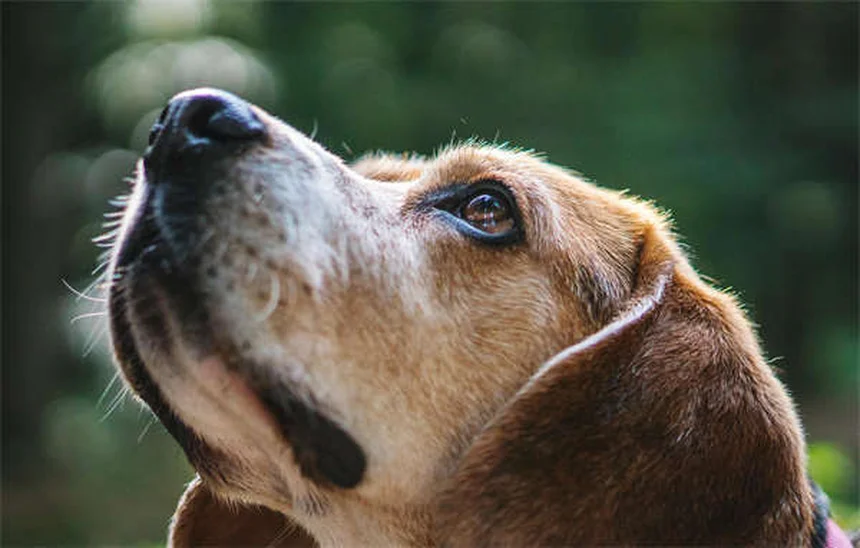
Now here's a question that might surprise you: Do our pets actually experience SAD? Well, the scientific jury is still out on this one. There's no concrete evidence that pets get SAD exactly like humans do, but many pet owners report their animals acting differently during winter months.
Think about it this way - if you're feeling down and spending more time on the couch, your dog might pick up on that energy. Dogs are especially good at reading human emotions. So if you're showing signs of SAD, your pup might mirror your behavior without actually having the condition themselves.
What the Numbers Tell Us
Check out these interesting stats from pet owners across the U.S.:
| Behavior Change | Percentage of Pets Affected |
|---|---|
| Increased sleep | 65% |
| Lower energy levels | 58% |
| Appetite changes | 42% |
| More clingy behavior | 37% |
That's about 30 million pets showing some kind of winter behavior change! While we can't say for sure it's SAD, it's definitely something worth paying attention to.
Spotting Potential SAD Symptoms in Pets
Common Signs to Watch For
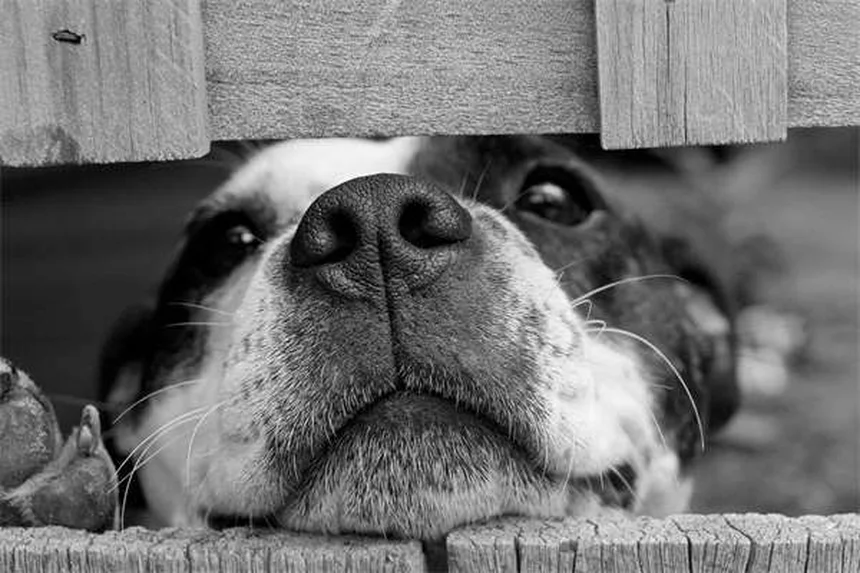
If you're wondering whether your pet might be affected by seasonal changes, here are some telltale signs:
Sleeping more than usual - Like that time my cat slept through breakfast (and she never misses a meal!).
Low energy - Your normally hyper dog suddenly has zero interest in playing fetch.
Appetite changes - Either eating way more or showing no interest in food.
Behavioral shifts - Maybe your friendly cat starts hiding under the bed, or your independent dog becomes super clingy.
 Photos provided by pixabay
The Science Behind Pet Mood Changes
Now, here's something important to remember: Not every winter behavior change means your pet has SAD. Sometimes these symptoms can signal actual health problems. That's why it's always smart to check with your vet if you notice anything unusual.
For example, increased sleep could just mean your dog is enjoying cozy winter naps... or it could indicate an underlying health issue. The key is to look for changes from your pet's normal behavior patterns.
Fun Ways to Beat the Winter Blues (For You and Your Pet!)
For Dog Owners
Let's talk about keeping your pup happy when it's cold outside! Here are some of my favorite winter activities:
Indoor treasure hunts: Hide treats around the house and let your dog sniff them out. It's mental exercise when physical activity is limited!
Food puzzle toys: These are fantastic for keeping your dog's brain engaged. I personally love the Kong toys you can stuff with peanut butter (just make sure it's xylitol-free!).
Short, frequent walks - Bundle up in cute doggy sweaters and take brisk walks to catch that precious winter sunlight.
For Cat Parents
Cats can be trickier in winter since many hate the cold. Here's what works for my feline friends:
Window perches - Place a comfy bed near a sunny window so your cat can soak up rays safely indoors.
Interactive toys - Laser pointers can provide great exercise (just don't shine it directly in their eyes!).
Cardboard box castles - Seriously, cats love these! Add some holes for peeking and you've got hours of entertainment.
Important Health Considerations
 Photos provided by pixabay
The Science Behind Pet Mood Changes
Here's a question many pet owners ask: Can I give my pet the same supplements I take for SAD? The short answer is no - and this is really important.
While vitamin D and omega-3s might help humans with SAD, they can be dangerous for pets if not properly dosed. Vitamin D especially has a very narrow safety margin for animals. Always, always check with your vet before giving any supplements to your pet.
When to Call the Vet
If your pet shows any of these signs, make that vet appointment ASAP:
Sudden weight loss or gain
Drastic changes in water consumption
Uncharacteristic aggression
Persistent lethargy
Remember, it's better to be safe than sorry when it comes to your furry family members!
FAQs About Pets and Seasonal Changes
Do Those SAD Lamps Work for Dogs?
You've probably seen those special light boxes designed to mimic sunlight for people with SAD. While they won't harm your pet, there's no evidence they provide the same benefits to animals. Your money might be better spent on some fun new toys!
Is My Pet Depressed or Just Sick?
This is a great question! True depression in pets usually stems from major life changes (like losing a companion). More often, what looks like depression is actually illness. That's why vet checkups are so crucial when behavior changes occur.
At the end of the day, whether it's actual SAD or just winter doldrums, paying attention to your pet's needs during colder months can make the season more enjoyable for both of you. Now, who's ready for some indoor fetch?
Exploring Light Therapy Alternatives
Natural Light Solutions for Pets
Ever noticed how your cat always finds that sunny spot on the floor? Turns out they might be onto something! While we can't exactly install SAD lamps for pets, we can make simple adjustments to maximize natural light exposure in our homes.
Try rearranging pet beds near south-facing windows where sunlight streams in strongest. I moved my dog's bed last winter and saw an immediate difference in his energy levels. Just remember to keep blinds partially open during peak daylight hours - your pets will thank you for those warm sunbeams!
Creative Indoor Lighting Ideas
Here's a fun experiment I tried with my cat: setting up a "sunlight station" with full-spectrum bulbs. While not scientifically proven to help pets, these bulbs do create a more natural lighting environment. Just make sure any artificial lighting is pet-safe and doesn't produce excessive heat.
You'd be amazed what difference proper lighting can make. My neighbor installed dimmer switches to gradually brighten the room in the morning, mimicking sunrise. Her anxious dog showed noticeable improvement in morning moodiness within weeks!
The Role of Diet in Seasonal Changes
Winter Nutrition Adjustments
Did you know your pet's dietary needs might shift with the seasons? Many veterinarians recommend slight modifications to account for decreased activity levels in winter. But here's the catch - every pet is different!
For my lazy winter cat, we reduce portions slightly while adding more moisture-rich foods. But for my friend's hyperactive husky? They actually increase healthy fats to help maintain energy. The key is monitoring your pet's weight and energy levels closely.
Comfort Foods for Pets
Just like we crave warm soups in winter, our pets appreciate seasonal treats too! Try warming their regular food slightly (never hot!) or offering bone broth as an occasional supplement. My dog goes crazy for frozen pumpkin puree cubes - they're nutritious and keep him entertained.
Remember when Grandma used to make chicken soup when you were sick? That same concept applies to pets. A little warm, bland food can be comforting during gloomy days. Just check with your vet about any dietary changes first!
Behavioral Enrichment Strategies
Mental Stimulation Games
When outdoor playtime decreases, we need to get creative with indoor activities. I've discovered that mental exercise can tire out a pet just as effectively as physical activity. Here's my favorite brain game:
The "Which Hand?" game: Hide a treat in one fist and let your pet sniff both hands. When they paw at the correct one, reward them! It's simple but surprisingly effective at keeping minds sharp during couch-bound months.
Socialization Opportunities
Winter isolation affects pets too! Consider setting up "play dates" with other pets (vaccinated and temperament-matched, of course). I organize monthly puppy parties in my heated garage - complete with obstacle courses and treat puzzles.
For cats, try rotating toys to maintain novelty, or introduce window perches where they can watch outdoor activity. Even something as simple as moving furniture around creates new exploration opportunities. My cat spent hours investigating when I rearranged the living room!
Understanding Breed-Specific Needs
Cold-Weather Breeds vs Warm-Weather Breeds
Not all pets experience winter the same way. That fluffy Alaskan Malamute might thrive in snow, while your skinny Italian Greyhound shivers at the thought of going outside. Recognizing these differences is crucial for seasonal care.
Short-haired breeds often need extra protection like sweaters or booties. Meanwhile, my friend's Siberian cat actually prefers sleeping on the balcony in winter! Knowing your pet's natural inclinations helps tailor their winter experience.
Age Considerations
Senior pets face unique winter challenges. Arthritic joints stiffen in cold weather, and older animals may struggle with temperature regulation. I've found heated pet beds work wonders for my 12-year-old lab mix.
Puppies and kittens, on the other hand, have different needs. Their high energy demands consistent stimulation despite weather limitations. I keep a stash of new toys to rotate whenever my puppy seems restless from being cooped up.
Creating Cozy Environments
Safe Heating Options
We all love curling up by the fireplace, but pets need special considerations. Radiator beds can provide gentle warmth, while heated mats should always have temperature controls. I learned this the hard way when my cat refused to leave an overheated pad!
Space heaters require extreme caution - pets might chew cords or get too close. My solution? Placing heaters high up where pets can't reach, and only using them when supervised. Better yet, try microwavable heating discs that provide hours of safe warmth.
Comfort Zone Setup
Every pet deserves a personal retreat for gloomy days. I created a "cozy cave" using a large cardboard box lined with fleece blankets. Add some familiar-smelling items (like an old t-shirt), and you've got the perfect storm-day sanctuary.
For multi-pet households, consider separate spaces to prevent tension. My two cats have very different winter personalities - one wants constant cuddles while the other prefers solitude. Respecting these differences prevents seasonal squabbles!
E.g. :Does Seasonal Affective Disorder Affect Pets? | PetMD
FAQs
Q: How can I tell if my pet has seasonal affective disorder or is just sick?
A: This is one of the most common questions we get! The tricky part is that SAD-like symptoms in pets - like lethargy or appetite changes - can also indicate health problems. Here's what I recommend: first, look for patterns. Does your pet act differently only during winter months but bounce back in spring? That might suggest seasonal changes. But if symptoms persist or seem severe, it's vet time. Remember, dogs and cats can't tell us when they're in pain, so behavior changes are often their way of saying "something's wrong." A good rule of thumb? When in doubt, get it checked out!
Q: What are the most common signs of seasonal affective disorder in dogs?
A: From my experience working with pet owners, these are the top signs to watch for in your pup: sleeping more than usual (like that time my dog slept through breakfast - and he never misses a meal!), showing less interest in walks or play, and either eating more or losing appetite. Some dogs become unusually clingy, while others might seem more withdrawn. One client's normally energetic Lab suddenly wanted to sleep all day when winter hit. The key is noticing changes from your dog's normal behavior. And don't forget - these could also signal arthritis pain from cold weather, so consult your vet!
Q: Are cats affected by seasonal affective disorder differently than dogs?
A: Great question! Cats do seem to experience seasonal changes differently than dogs. While dogs might show obvious energy drops, cats often display more subtle signs. Many cat owners report their felines sleeping even more than usual (yes, that's possible!), being less active with toys, or changing their grooming habits. Some cats become more vocal or demanding. Indoor cats might be particularly affected since they don't get any outdoor sunlight exposure. My own cat starts following sun patches around the house like a solar panel in winter! The solution? Try creating sunny window perches and introducing new interactive toys to keep them engaged.
Q: Can I use my SAD light therapy lamp for my pet?
A: We get this one a lot! While those bright light boxes won't harm your pet (unless they stare directly at the light), there's no evidence they provide the same benefits to animals as they do for humans. Pets' eyes and brains process light differently than ours. Instead of investing in pet light therapy, I'd recommend focusing on getting your pet natural sunlight when possible - even short winter walks help! For indoor pets, setting up cozy spots near sunny windows can make a big difference. And remember, the best "light therapy" might just be some extra playtime and attention from you!
Q: What are the best winter activities to keep my pet from getting seasonal blues?
A: Oh, I love this question! Here are my top proven strategies: For dogs, try indoor treasure hunts with hidden treats (great mental stimulation!), food puzzle toys, or short frequent walks to catch winter sun. My clients swear by "doggy playdates" to combat winter isolation. For cats, window perches are a must, along with interactive toys like laser pointers (used safely!) and cardboard box castles. One creative client made an indoor agility course for her border collie using couch cushions! The key is keeping both body and mind active. Pro tip: maintaining a consistent routine helps pets feel secure when seasons change.