
How to Introduce a New Puppy to Your Dog: 7 Expert Tips for Success
How to introduce a new puppy to your dog? The answer is simple: with patience, preparation, and plenty of positive reinforcement! As someone who's helped hundreds of families through this transition, I can tell you that the first introduction sets the tone for their entire relationship. Whether your current dog is a social butterfly or more reserved, we've got proven strategies to make this process smooth for everyone.Here's the good news: Most dogs eventually accept a new puppy, especially when we follow these science-backed introduction techniques. The key is understanding that your resident dog needs time to adjust - imagine how you'd feel if a hyperactive stranger suddenly moved into your house! We'll walk you through everything from choosing the perfect neutral meeting spot to reading those subtle canine body language cues that predict success.By the end of this guide, you'll know exactly how to create those magical moments when your dogs start playing together - and maybe even cuddling! Let's make sure your puppy's homecoming becomes the beginning of a beautiful friendship rather than a stressful ordeal.
E.g. :Oriental Rat Fleas: 5 Dangerous Facts You Need to Know
- 1、Getting Ready for the Big Puppy Introduction
- 2、The Art of the First Introduction
- 3、Navigating the Early Days Together
- 4、Preventing Jealousy and Building Bonds
- 5、Troubleshooting Common Issues
- 6、Celebrating Your Growing Pack
- 7、Expanding Your Dog's Social Circle
- 8、Training Two Dogs Simultaneously
- 9、Creating a Harmonious Home Environment
- 10、Traveling With Multiple Dogs
- 11、The Joys of Multi-Dog Ownership
- 12、FAQs
Getting Ready for the Big Puppy Introduction
Understanding Your Resident Dog's Personality
Let's be real - your current dog runs the house right now. Before bringing home that adorable ball of puppy energy, we need to think about how your top dog will react. Is your dog the social butterfly at the park, making friends with every canine they meet? Or do they prefer solo walks and give other dogs the cold shoulder?
Here's a quick personality test: If your dog wags their tail at other dogs and initiates play, they'll probably welcome a puppy with open paws. But if they growl or hide when other dogs approach, we'll need to take things much slower. Remember - you know your dog better than anyone!
Creating a Neutral Meeting Space
Ever notice how people argue less when they're not at home? Dogs are the same way! Always introduce dogs on neutral territory - like a quiet park or even your front yard if your dog doesn't spend much time there.
But here's something most people forget - we need to puppy-proof our house too! Before the big introduction, walk through your home and remove:
- Food bowls (hungry dogs = grumpy dogs)
- Favorite toys (no one likes a toy thief)
- Special beds or blankets (territory matters!)
The Art of the First Introduction
 Photos provided by pixabay
Teamwork Makes the Dream Work
Have you ever tried to walk two dogs at once while holding leashes, treats, and your coffee? Yeah, it's a disaster waiting to happen. That's why you absolutely need a helper for this first meeting.
Here's how we do it right:
| Your Job | Helper's Job |
|---|---|
| Handle your resident dog | Handle the new puppy |
| Watch for stress signals | Keep treats ready |
| Control the distance | Distract if needed |
Start with the dogs about 10 feet apart and walk parallel to each other. If everyone seems relaxed, we can slowly decrease the distance. Think of it like a middle school dance - no one wants to be forced together too fast!
Reading Canine Body Language
Did you know a wagging tail doesn't always mean happiness? We need to become dog body language experts during this introduction. Here's what to look for:
Good signs: Relaxed body, loose wagging tail, play bows (front end down, butt in the air), soft eyes. These mean "I'm cool with this situation."
Warning signs: Stiff body, high tail, pinned back ears, whale eye (showing the whites of their eyes). These mean "I'm not comfortable right now."
When Playtime Gets Rough
Puppies are like toddlers - they have no concept of personal space! Your adult dog might need to teach some manners with a quick growl or snap. This is normal dog communication - think of it as your dog saying "Hey kid, back off a little!"
But how do we know when it's too much? If your puppy yelps and runs away, but your dog keeps chasing, that's our cue to separate them for a break. We want corrections to be brief and educational, not scary.
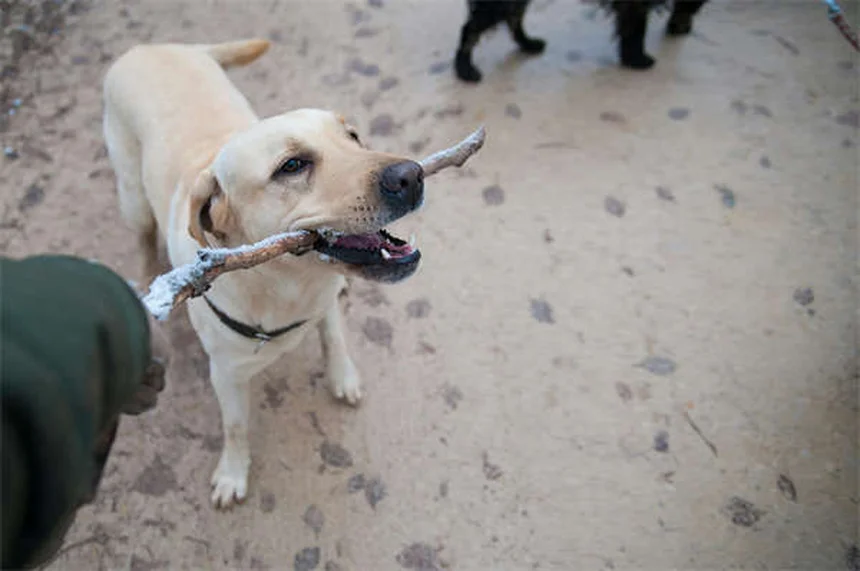 Photos provided by pixabay
Teamwork Makes the Dream Work
Imagine if your parents suddenly brought home a new kid and only paid attention to them - you'd be pretty upset, right? Dogs feel the same way!
Here's our three-part time management plan:
- Solo time with your adult dog: Keep up your regular walks and cuddle sessions
- Solo time with the puppy: Essential for training and bonding
- Supervised together time: Short, positive play sessions
Pro tip: Always end playtime before anyone gets too tired or cranky. Five minutes of happy play beats twenty minutes that end in a spat!
Preventing Jealousy and Building Bonds
Maintaining Your Original Bond
Your resident dog has seniority, and we need to respect that! Make sure they still get:
- First dibs on your attention when you come home
- Their usual sleeping spot (don't let the puppy take over!)
- Special treats just for them
Did you know dogs can actually get depressed if they feel replaced? That's why we keep showing them they're still your #1 - even if there's now a #2!
Creating Positive Associations
Want to know a trainer's secret? We can make your dog love the puppy by connecting them with good things. Try these simple tricks:
Feed them near each other (but not too close at first). Give treats when they're calm around each other. Play fun games where they work together, like chasing bubbles or searching for hidden treats.
Before you know it, you'll catch them snuggling together - and that's when you know you've succeeded!
Troubleshooting Common Issues
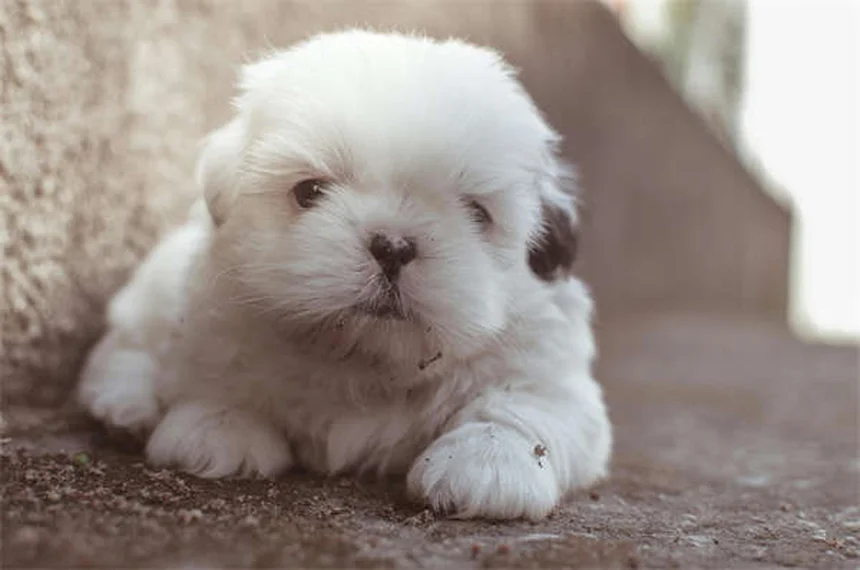 Photos provided by pixabay
Teamwork Makes the Dream Work
Many dogs are on their best behavior for the first week or two, then start testing boundaries. Don't panic if your perfect pair suddenly have some spats!
Here's what typically happens around week 3:
| Issue | Solution |
|---|---|
| Adult dog gets grumpy | Increase their alone time with you |
| Puppy won't leave dog alone | Create puppy-only play zones |
| Food guarding starts | Feed in separate rooms |
Knowing When to Get Help
While most dogs adjust within a few months, some situations need professional help. If you see any of these red flags, call a trainer:
- Your dog refuses to eat when the puppy is near
- Either dog shows signs of extreme stress (excessive panting, hiding)
- There's been an actual fight with injuries
Remember - there's no shame in asking for help! Even the best dog parents need support sometimes.
Celebrating Your Growing Pack
Watching the Friendship Blossom
One morning, you'll walk in to find them curled up together, and your heart will melt. That's when all this work pays off! Keep encouraging their bond with:
Joint adventures (once the puppy has all their shots). Training sessions where they learn together. Special "pack" activities like car rides or beach trips.
Enjoying the Double Dog Life
Having two dogs isn't just double the work - it's exponentially more fun! You'll get to experience:
The hilarious differences in their personalities. The way they play off each other's energy. That amazing feeling when they both come running to greet you.
Sure, the first few weeks might be chaotic, but trust me - soon you won't remember life without both of them!
Expanding Your Dog's Social Circle
The Power of Puppy Playdates
You know what's better than one puppy? Multiple puppies! Organizing playdates with other well-socialized dogs can work wonders for your new addition's development. It helps them learn proper doggy manners much faster than just interacting with your resident dog.
But here's the kicker - not all playdates are created equal. We want to look for dogs that match your puppy's energy level. A hyperactive Boxer might overwhelm a shy Shih Tzu, while a calm Bulldog might not satisfy a bouncing Labrador. It's like setting up a middle school friendship - compatibility matters!
Dog Park Do's and Don'ts
Ever seen a dog park turn into complete chaos? We can avoid that disaster with some simple preparation. First, make sure your puppy has all their vaccinations before visiting. Second, scope out the park at different times to find the least crowded periods.
Here's a pro tip most people don't consider - bring two leashes! One for each hand in case you need to quickly separate dogs. And always have high-value treats ready to recall your dogs when needed. Remember, we're aiming for controlled fun, not a free-for-all!
Training Two Dogs Simultaneously
The Buddy System Advantage
Who says you can't teach two dogs at once? Your resident dog can actually become your best training assistant! Dogs learn incredibly well through observation, so when your puppy sees the older dog following commands, they'll be more likely to mimic that behavior.
Start with simple commands like "sit" where both dogs can participate. Reward them simultaneously but separately to avoid competition. As they progress, we can work on more complex behaviors like "stay" where they learn to maintain position even when the other dog moves.
Preventing Sibling Rivalry
You might think training two dogs means double the treats, but that's actually a recipe for jealousy! Instead, we use a rotation system:
| Training Session | Focus Dog | Other Dog's Activity |
|---|---|---|
| Morning | Puppy | Adult dog gets chew toy |
| Afternoon | Adult dog | Puppy naps in crate |
| Evening | Both | Group training games |
This balanced approach keeps everyone engaged without creating competition for your attention. Think of it like alternating turns in a board game - everyone gets equal opportunity to shine!
Creating a Harmonious Home Environment
Designated Spaces for Each Dog
Imagine if someone suddenly moved into your bedroom without asking - you'd be pretty upset, right? Dogs feel the same way about their personal space. That's why we create clear zones for each dog from day one.
Your adult dog keeps their favorite bed in the living room, while the puppy gets a cozy crate in the bedroom. Both dogs should have access to water bowls in different locations. And here's a clever trick - rotate toys between them weekly so neither feels possessive about specific items.
Mealtime Peace Strategies
Food is the number one cause of arguments in multi-dog households. But guess what? We can completely prevent this with some simple setup changes!
First, feed them in separate rooms or use baby gates to create visual barriers. Second, establish a "no stealing" rule by supervising until both bowls are empty. Third, teach a solid "leave it" command to both dogs. And most importantly - never free feed when you have multiple dogs!
Traveling With Multiple Dogs
Road Trip Preparations
Taking two dogs on vacation sounds like double the fun, but it requires double the planning! Vehicle safety becomes even more crucial when you're transporting multiple pets. We need proper restraints for each dog - either crates or harness seatbelts.
Pack separate travel kits for each dog with their own food, bowls, medications, and comfort items. And here's a lifesaver - bring familiar bedding that smells like home to reduce stress. Pro tip: Schedule extra potty breaks since puppies and adult dogs often need to go at different times!
Hotel Stay Success
Ever tried checking into a hotel with two excited dogs? It can be... interesting. That's why we call ahead to confirm pet policies and request a ground-floor room near exits. Bring portable water bowls and plenty of waste bags - nothing ruins a vacation faster than cleaning fees!
Create a temporary "home base" in the hotel room with both dogs' beds arranged far enough apart to prevent tension. And remember - never leave unfamiliar dogs alone together in a new environment. Room service and movie nights become your best friends!
The Joys of Multi-Dog Ownership
Double the Love, Double the Laughs
Having two dogs means twice the hilarious moments you'll never forget. Like when they both try to fit through the dog door simultaneously, or when they synchronize their head tilts during training. These are the memories that make all the extra effort worthwhile!
You'll also notice their unique friendship develop over time - the way they share toys without fighting, or how the older dog starts "babysitting" when you're busy. It's like watching a beautiful sibling relationship blossom right before your eyes.
A Built-in Support System
Here's something amazing about having multiple dogs - they actually take care of each other! Your resident dog will help teach the puppy house rules, while the puppy keeps your adult dog active and playful. It's a win-win situation that benefits both dogs' physical and mental health.
And let's be honest - coming home to two wagging tails and twice the cuddles? That's the kind of unconditional love that makes every day brighter. Sure, you'll go through more treats and poop bags, but the rewards are absolutely priceless!
E.g. :1 more week to prepare for puppy: what you wish you did / what ...
FAQs
Q: How long does it take for my dog to accept a new puppy?
A: Most dogs adjust to a new puppy within 2-4 weeks, but the timeline varies based on your dog's personality. Social butterflies might welcome the puppy immediately, while more reserved dogs could take months to fully accept their new sibling. We recommend keeping interactions positive and short at first - think 5-10 minute supervised play sessions. Watch for signs like relaxed body language, shared toys, or sleeping near each other (even if not touching) as indicators of growing acceptance. Remember, forced interactions backfire; let your dog set the pace while ensuring the puppy gets proper socialization elsewhere.
Q: What's the biggest mistake people make when introducing dogs?
A: Rushing the process tops our list of common mistakes! Many owners expect instant best friends and push interactions too fast. The second biggest mistake? Not preparing their home properly before the introduction. We've seen countless cases where fights break out over a forgotten food bowl or favorite toy. Always remove high-value items and create separate safe spaces before bringing the puppy home. Another critical error is neglecting the resident dog's needs - continue their normal routine with solo walks and cuddle time to prevent resentment.
Q: Should I let my older dog correct the puppy?
A: Yes, within reason. Adult dogs naturally teach puppies manners through controlled corrections like growls or gentle nips. These brief "time-outs" help puppies learn boundaries. However, we must intervene if corrections become excessive or the adult dog won't disengage when the puppy submits. A good rule of thumb: If the puppy yelps and retreats, but the adult dog continues pursuing, it's time to separate them. Always supervise these interactions until you're confident about their dynamic - usually after several weeks of positive interactions.
Q: How can I prevent jealousy between my dogs?
A: Quality one-on-one time is the golden solution! Your resident dog needs reassurance they're still special. We suggest implementing "firsts" - your older dog gets first greetings, first meals, and first choice of sleeping spots. Maintain their favorite routines whether it's morning belly rubs or weekend hikes. For the puppy, establish separate bonding rituals like training sessions or chew time. Surprisingly, feeding them in the same room (with ample space) can build positive associations - just never force shared meals until they're completely comfortable with each other.
Q: When should I worry about my dogs not getting along?
A: Contact a professional if you notice any of these red flags: refusal to eat near each other, constant hiding/stress behaviors, or actual fights causing injuries. While some growling during the adjustment period is normal, escalating aggression isn't. We also recommend help if there's extreme size difference putting either dog at risk, or if either dog shows prolonged signs of depression/anxiety. The good news? Most issues are fixable with proper guidance - we've even helped dogs who initially tried to attack each other become inseparable companions!