
How to Stop Your Dog From Bullying Other Dogs: 7 Proven Training Tips
Is your dog being a bully at the park? The answer is: Yes, if they're constantly chasing, pinning, or ignoring other dogs' signals! Many pet parents mistake bullying behavior for normal rough play, but there's a big difference - bullying means only your dog is having fun while others feel stressed or scared. I've worked with countless pushy pups, and let me tell you, the key is catching these behaviors early and using positive reinforcement techniques. In this guide, we'll show you exactly how to spot canine bullying and transform your dog from playground menace to polite playmate using simple, effective training methods that actually work.
E.g. :Dry Mouth in Pets: Causes, Symptoms & Treatment Options
- 1、Is Your Dog Being a Little Too Pushy? Let's Find Out!
- 2、Time for Some Doggy Detention: Training Your Bully
- 3、Reading the Room: When Play Goes Wrong
- 4、Troubleshooting Your Training
- 5、Keeping It Fun (For Everyone!)
- 6、The Science Behind Canine Social Behavior
- 7、Advanced Training Techniques
- 8、When to Call in the Professionals
- 9、The Emotional Side of Dog Training
- 10、Creating a Bully-Free Environment
- 11、Understanding Different Play Styles
- 12、FAQs
Is Your Dog Being a Little Too Pushy? Let's Find Out!
Signs Your Pup Might Be Crossing the Line
You know that friend who never lets you win at Mario Kart? That's what dog bullying looks like - one pup having all the fun while the other just wants to escape! Here's how to spot if your furry friend is being that dog at the park:
Watch for these red flags:
- Your dog is always the one chasing, pinning, or barking
- They ignore when other dogs say "enough!"
- They fixate on one particular dog like it's their personal chew toy
The Playtime Balance Check
Healthy dog play is like a good conversation - there's back and forth! Here's a quick comparison:
| Good Play | Bullying Behavior |
|---|---|
| Taking turns chasing each other | Always being the chaser |
| Pausing for breathers | Non-stop roughhousing |
| Responding to "back off" signals | Ignoring growls or retreats |
Ever seen two dogs playing where one suddenly does a full-body shake? That's like them saying "Whoa buddy, timeout!" A polite playmate will back off, but a bully keeps going like an overexcited kid at a birthday party.
Time for Some Doggy Detention: Training Your Bully
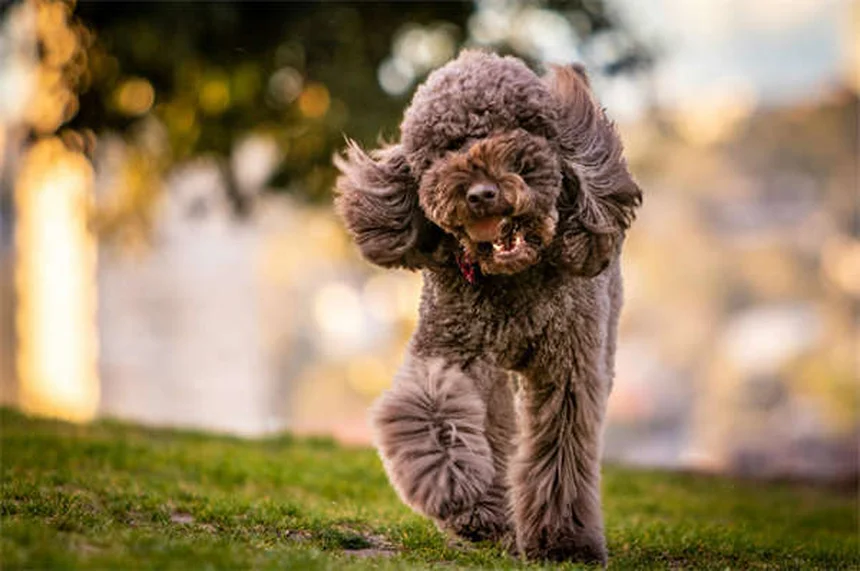 Photos provided by pixabay
Setting Up for Success
Think of this like teaching manners to a rowdy teenager - we need the right environment and tools. Here's what you'll need:
A long leash (15-30 feet works great), some high-value treats, and one patient dog friend who won't freak out at your pup's antics. Pro tip: avoid pairing your bully with nervous Nellies - that's like putting a hyper kid in charge of a china shop!
The Magic of Time-Outs
Here's the golden rule: Bad behavior = game over. But timing is everything! You need to catch your dog in the act of bullying, just like correcting a child while they're drawing on the walls, not after they've already redecorated your entire living room.
Choose a simple phrase like "Time out!" or "All done!" said in a calm, neutral voice. The second you see bullying behavior:
- Say your phrase
- Gently lead your dog away using the long leash
- Give a 30-second boring break (no attention, no play)
Reading the Room: When Play Goes Wrong
Spotting Stress Signals
Did you know dogs have their own version of rolling their eyes and sighing? Watch for:
- Tucked tails (the canine white flag)
- Ears pinned back
- Whale eye (showing the whites of their eyes)
- Excessive lip licking
When you see these signs, it's time to step in faster than a referee at a wrestling match!
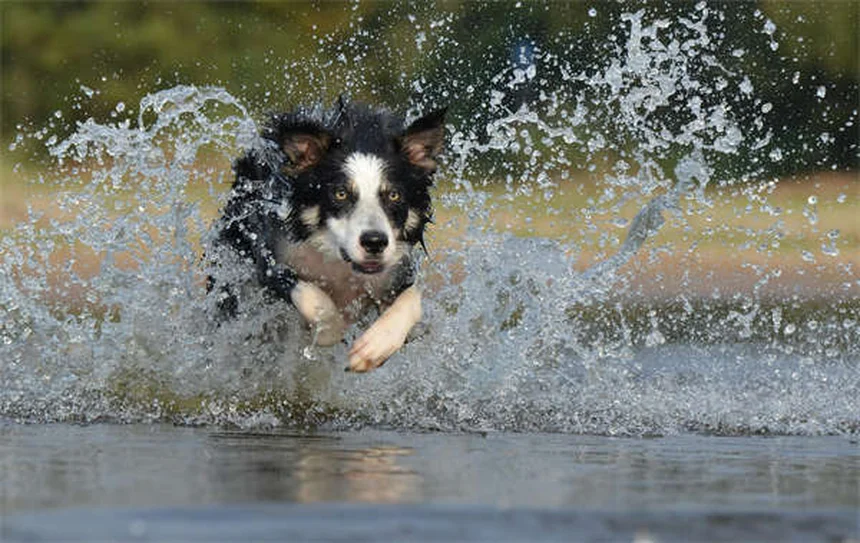 Photos provided by pixabay
Setting Up for Success
Here's something interesting - did you know most dogs learn faster from positive reinforcement than punishment? That's why we want to:
- Praise good behavior like crazy when they play nicely
- Give treats during calm moments
- End sessions on a positive note
Remember, Rome wasn't built in a day, and neither are perfect canine manners. Some dogs might need weeks of practice, while others catch on quicker than you can say "Who's a good boy?"
Troubleshooting Your Training
When Time-Outs Aren't Working
Ever tried reasoning with a toddler mid-tantrum? Yeah, that's about as effective as poorly timed corrections with dogs. If your time-outs aren't helping, ask yourself:
Am I catching the behavior immediately? Even a 2-second delay can confuse your pup. They need to connect the behavior with the consequence like connecting dots in a coloring book - fast and clear!
Choosing the Right Playmates
Not all dogs make good "practice friends" for your bully. Look for:
| Great Candidates | Poor Choices |
|---|---|
| Confident, playful adults | Timid or fearful dogs |
| Similar size/energy level | Much smaller/larger dogs |
| Good at setting boundaries | Those who won't speak up |
Think of it like pairing a rookie boxer - you want someone who can take a few hits but will also teach them the rules of the ring!
Keeping It Fun (For Everyone!)
 Photos provided by pixabay
Setting Up for Success
Here's a pro tip: tired dogs are well-behaved dogs. A good walk or play session before meetups can work wonders, like letting kids run around before a long car ride.
Also try:
- Short, supervised play dates
- Regular breaks (even when going well)
- Ending while everyone's still happy
Celebrating Small Wins
Did your dog pause when their playmate shook off? Throw a party (metaphorically speaking)! Positive reinforcement works better than scolding, just like how you'd rather get a bonus than a lecture at work.
Remember, we're not trying to squash your dog's playful spirit - we just want them to understand that good play means everyone has fun. With patience and consistency, even the pushiest pups can learn to play nice!
The Science Behind Canine Social Behavior
Why Some Dogs Become Bullies
Ever wonder why your sweet pup turns into the playground menace at the dog park? It's not about being "mean" - dogs don't have the same moral compass we do. More often, it's about poor social skills or pent-up energy.
Think about that one kid in school who always hugged too hard or played too rough - they weren't trying to hurt anyone, they just didn't know how to express themselves appropriately. Dogs are the same way! Some common reasons for bullying behavior include:
- Lack of proper socialization as a puppy
- Being the "only child" who never learned to share
- Too much energy with no outlet
The Pack Mentality Myth
Here's something that might surprise you - the whole "alpha dog" theory has been debunked by modern science! Dogs aren't actually trying to dominate each other (or you) like wolves in the wild.
So why do they sometimes act like little tyrants? It usually comes down to one simple thing: they're getting away with it because it's fun. Just like how kids will keep jumping on the bed if no one tells them to stop!
Advanced Training Techniques
The Power of Distraction
Sometimes the best way to stop bad behavior is to redirect that energy elsewhere. Try keeping a special toy or treats handy when you're at the park.
When you see your dog starting to fixate on one particular playmate, call them over and engage them in a quick game of fetch or offer a tasty chew. This teaches them that good things happen when they disengage from bullying.
Building Better Social Skills
Did you know you can actually practice polite greetings at home? Try this simple exercise:
- Have a friend with a calm dog stand about 20 feet away
- Walk your dog toward them on a loose leash
- If your dog pulls or gets too excited, stop moving
- Only proceed when they're calm
This teaches your dog that calm behavior gets them what they want - kind of like how you're more likely to get a raise when you ask politely rather than demand!
When to Call in the Professionals
Recognizing When You Need Help
How do you know when it's time to bring in a dog trainer? If you've been consistently working on the behavior for several weeks with no improvement, or if the bullying is escalating to actual aggression, it's definitely time to call for backup.
Look for these warning signs:
- Your dog is causing other dogs to yelp or hide
- They're becoming possessive over toys or space
- They're not responding to any of your corrections
Choosing the Right Trainer
Not all dog trainers are created equal! You'll want to find someone who uses positive reinforcement methods rather than punishment-based techniques.
Here's a quick checklist for vetting potential trainers:
| Green Flags | Red Flags |
|---|---|
| Certified by a reputable organization | Promises quick fixes |
| Focuses on rewarding good behavior | Uses shock collars or physical punishment |
| Willing to work with your specific needs | One-size-fits-all approach |
The Emotional Side of Dog Training
Managing Your Own Frustration
Let's be real - dealing with a dog who just won't listen can be incredibly frustrating. But here's the thing: your dog picks up on your emotions like a sponge!
If you're tense or angry during training sessions, your dog will be too. Try taking deep breaths and reminding yourself that this is a learning process for both of you. Some days will be better than others, and that's completely normal.
Celebrating the Small Victories
Did your dog voluntarily back off from another dog today? That's huge! Too often we focus on the end goal and forget to appreciate the little steps along the way.
Keep a training journal to track progress - you'll be amazed at how far you've come when you look back after a few weeks. And don't forget to treat yourself too - you deserve a pat on the back (or maybe some ice cream) for all your hard work!
Creating a Bully-Free Environment
Setting Up for Success at Home
Your dog's behavior at the park starts with their routine at home. Make sure they're getting:
- Plenty of physical exercise (at least 30-60 minutes daily)
- Mental stimulation through puzzle toys or training
- Consistent rules and boundaries
A dog who's bored at home is like a kid with too much sugar - they're going to bounce off the walls when they finally get to play!
The Importance of Routine
Dogs thrive on predictability. Having a set schedule for walks, meals, and playtime helps them feel secure and less likely to act out.
Think about how you feel when your routine is thrown off - maybe a little cranky or disoriented? Dogs experience the same thing. A consistent routine is like giving them a roadmap for how to behave.
Understanding Different Play Styles
Not All Rough Play is Bullying
Here's something important to remember - some dogs just play rougher than others, and that's okay as long as both parties are having fun!
Certain breeds (like Boxers or Huskies) are known for their boisterous play style. The key is watching for mutual enjoyment rather than one dog always being the instigator.
Reading Canine Body Language
Want to really understand what's happening between dogs? Watch for these subtle cues:
- Play bows (front end down, butt in the air)
- Bouncy, exaggerated movements
- Taking turns being "on top" during wrestling
- Frequent pauses to check in with each other
When you see these signs, even if the play looks rough, it's probably just two dogs having the time of their lives!
E.g. :my dog bullies my other dog : r/Dogtraining
FAQs
Q: How can I tell if my dog is bullying or just playing rough?
A: Great question! The main difference between rough play and bullying comes down to mutual enjoyment and respect for boundaries. During proper dog play, you'll see frequent role reversals (taking turns chasing/being chased), natural pauses, and appropriate responses when one dog says "enough." Bullying behavior looks completely one-sided - your dog is always the instigator, ignores clear "back off" signals like growls or retreats, and often targets specific vulnerable dogs. We recommend filming your dog's play sessions to better analyze their interactions - sometimes it's easier to spot bullying behavior when you're not actively supervising.
Q: What's the most effective way to stop my dog from bullying others?
A: Time-outs work wonders when used correctly! Here's our proven 3-step method: 1) Choose a neutral phrase like "All done" 2) The instant you see bullying behavior, say your phrase and gently lead your dog away using a long leash 3) Give a 30-second boring break (no attention or play). The magic happens when you consistently pair the consequence with the behavior - just like kids, dogs learn fastest when corrections happen in the moment. Pro tip: Always follow time-outs with opportunities for positive reinforcement when they play nicely!
Q: Can certain breeds be more prone to bullying behavior?
A: While any dog can develop bullying tendencies, we do see certain patterns. High-energy breeds (like Border Collies or Jack Russells) may bully through relentless chasing, while strong, confident dogs (like Labs or Boxers) might use body slamming. But here's the important part: bullying is about behavior, not breed. A well-socialized dog of any breed can learn polite play manners. The key is matching play styles appropriately - for example, pairing a rambunctious young dog with an equally energetic but socially savvy playmate who can teach them the ropes.
Q: How long does it typically take to correct bullying behavior?
A: Every dog learns at their own pace, but most show noticeable improvement within 2-4 weeks of consistent training. Think of it like learning a new sport - some pups pick up the rules quickly, while others need more practice. Factors that affect training time include your dog's age (puppies often learn faster), how long the behavior's been going on, and how consistent you are with corrections. We recommend keeping training sessions short (15-20 minutes) and ending on positive notes to prevent frustration - for both of you!
Q: What should I do if time-outs aren't working for my dog?
A: If time-outs aren't showing results after several sessions, try these troubleshooting tips: 1) Check your timing - corrections need to happen the instant bullying begins 2) Make sure your time-out area is truly boring (no smells, toys, or attention) 3) Consider using higher-value rewards for good behavior 4) Try shorter play sessions with more frequent breaks. Sometimes bringing in a professional trainer for just 1-2 sessions can provide customized solutions - we've seen this make a huge difference for particularly stubborn cases!